Discover the power of herbal medicine 101! Learn how to use herbs for natural healing, the best preparation methods, and science-backed benefits for wellness and vitality.
Introduction
Did you know that more than 80% of people around the world use herbal medicine to stay healthy? For thousands of years, different cultures have used plants to help with common health problems. Even today, many people prefer herbal remedies because they are natural, effective, and safe.
In this guide, you’ll learn the basics of herbal medicine, how to use different herbs, and the best ways to add them to your daily life.
What is Herbal Medicine?
Herbal medicine is the use of plants to help with health problems and boost overall wellness. People from all over the world, including in Traditional Chinese Medicine, Ayurveda, and Native cultures, have used herbs for healing for generations.
Plants have powerful natural chemicals that can help our bodies in many ways. Unlike regular medicines, herbs often work with your body to heal the root cause of a problem instead of just covering up symptoms.
Traditional vs. Modern Herbal Medicine
- Traditional Uses: People have used herbs for digestion, immunity, relaxation, and pain relief for thousands of years.
- Modern Science: Research now supports herbs like turmeric for reducing inflammation and echinacea for boosting immunity.
- Combining Methods: Many doctors today use both herbal and regular medicine to get the best results.
How to Use Herbs for Healing
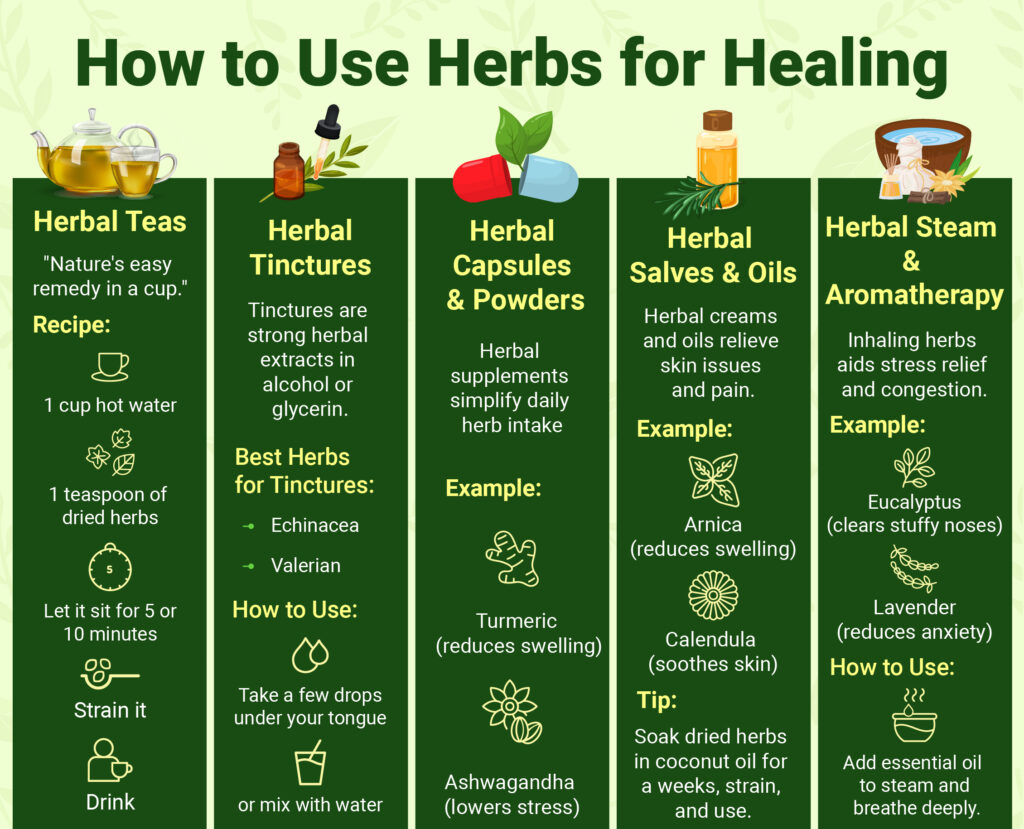
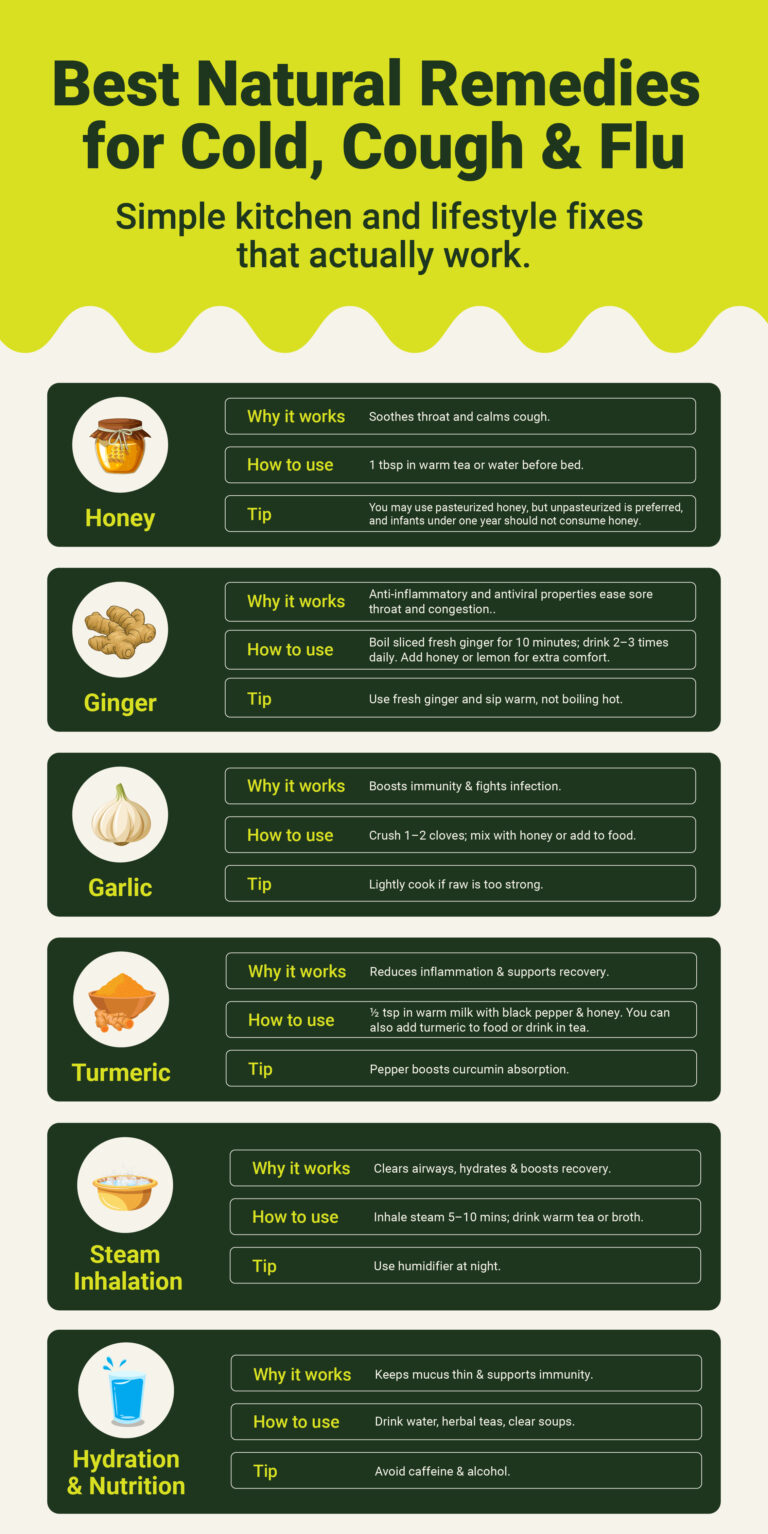
1. Herbal Teas
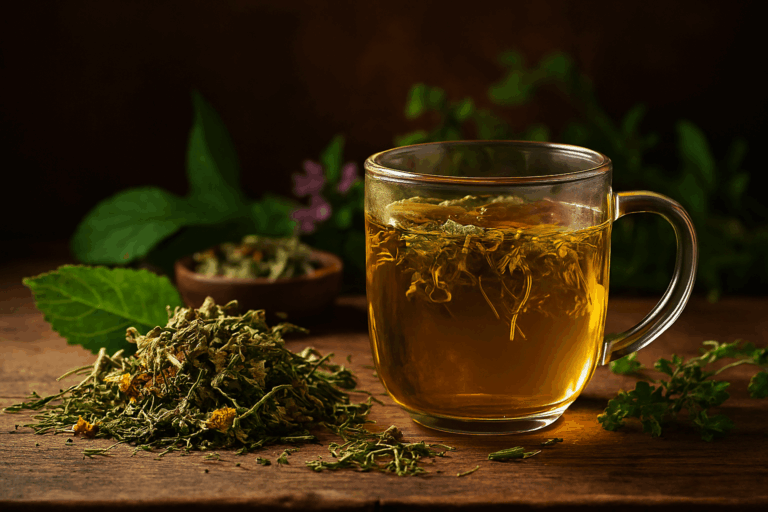
Drinking herbal tea is one of the easiest ways to enjoy the benefits of herbs. Simply soak dried or fresh herbs in hot water.
- Examples: Chamomile (helps you relax), Peppermint (soothes digestion), Ginger (eases nausea)
- How to Make: Add 1 teaspoon of dried herbs to a cup of hot water, let it sit for 5–10 minutes, then strain and drink.
2. Herbal Tinctures
Tinctures are liquid extracts made by soaking herbs in alcohol or glycerin. They are stronger than teas and last a long time.
- Best Herbs for Tinctures: Echinacea (immune boost), Valerian (better sleep)
- How to Use: Take a few drops under your tongue or mix with water.
3. Herbal Capsules & Powders
Herbal supplements are an easy way to take herbs every day.
- Examples: Turmeric (reduces swelling), Ashwagandha (lowers stress)
- Buying Tip: Choose organic, high-quality brands with no added chemicals.
4. Herbal Salves & Oils
Herbal creams and oils can help with skin problems, muscle pain, and healing wounds.
- Examples: Arnica (reduces swelling), Calendula (soothes skin)
- DIY Tip: Soak dried herbs in coconut or olive oil for a few weeks, strain, and use.
5. Herbal Steam & Aromatherapy
Breathing in herbs can help with stress, relaxation, and congestion.
- Examples: Eucalyptus (clears stuffy noses), Lavender (reduces anxiety)
- How to Use: Add a few drops of essential oil to steaming water and breathe deeply.
Best Herbs for Common Health Issues
| Health Issue | Best Herbs |
| Stress & Anxiety | Ashwagandha, Chamomile, Lemon Balm |
| Stomach Problems | Peppermint, Ginger, Fennel |
| Sleep Trouble | Valerian, Lavender, Passionflower |
| Immune Boost | Echinacea, Elderberry, Astragalus |
| Pain & Swelling | Turmeric, Willow Bark, Arnica |
| Detox & Liver Health | Dandelion Root, Milk Thistle, Burdock |
Does Herbal Medicine Work?
Many studies show that herbs can be just as effective as some medications:
- Turmeric: Curcumin, the active ingredient in turmeric, can reduce pain and swelling like some pain medicines.
- Echinacea: Research shows it can help fight colds and make symptoms go away faster.
- Lavender: Studies confirm that lavender helps lower anxiety and stress.
- Adaptogens: Herbs like Ginseng and Rhodiola help your body handle stress better.
Safety Tip: Some herbs may not mix well with medications. Always talk to a doctor before trying new herbs.
How to Start Using Herbal Medicine
- Choose one or two herbs that fit your health needs.
- Try different forms (tea, tincture, or capsules) to see what works best for you.
- Keep a journal to track how your body reacts.
- Buy herbs from trusted sources to ensure quality.
- Keep learning through books, online classes, or herbal communities.
Frequently Asked Questions (FAQs)
1. How long does it take for herbs to work?
It depends on the herb and how you take it. Teas and tinctures may work in a few hours or days, while capsules and powders may take a few weeks to show results.
2. Can I mix different herbs together?
Yes! Many herbs work well together. However, start with one herb at a time before trying combinations to see how your body reacts.
3. What are the easiest herbs to start with?
Chamomile, Peppermint, Ginger, and Lavender are great for beginners because they are safe and easy to use.
4. Where can I buy good-quality herbs?
Look for organic, lab-tested herbs from stores like Ancient Ways Apothecary, Mountain Meadow Herbs, or trusted local shops.
5. Is herbal medicine safe for kids?
Some herbs are safe for children, like chamomile for sleep. But always check with a doctor or herbalist before giving herbs to kids.
Conclusion
Herbal medicine is a natural and effective way to improve your health. By learning how to use herbs safely, you can add them to your routine to help with stress, immunity, digestion, and more. Herbs offer a gentle and sustainable way to stay healthy.
Herbs can play a big role in supporting your well-being, but they aren’t the only option. If you’re curious how herbal remedies compare to modern medicine, read our guide on Herbs vs. Pharmaceuticals and what science says about both.
What to Do Next
Want to start your herbal journey? Try a simple herbal tea or tincture, and sign up for our newsletter for exclusive herbal health tips and recipes.
References/Studies
- Ekor, Martins. “The growing use of herbal medicines: issues relating to adverse reactions and challenges in monitoring safety.” Frontiers in pharmacology vol. 4 177. 10 Jan. 2014, doi:10.3389/fphar.2013.00177
- Patwardhan, Bhushan et al. “Ayurveda and traditional Chinese medicine: a comparative overview.” Evidence-based complementary and alternative medicine : eCAM vol. 2,4 (2005): 465-73. doi:10.1093/ecam/neh140
- Brown, Mary-Eve. “Turmeric Benefits.” Johns Hopkins Medicine, 15 Dec. 2022, www.hopkinsmedicine.org/health/wellness-and-prevention/turmeric-benefits.
- Raman, Ryan. “Echinacea: Benefits, Uses, Side Effects and Dosage.” Healthline, 8 Mar. 2023, www.healthline.com/nutrition/echinacea.
- WebMD. “Herbs for Kids.” WebMD, 26 June 2000, www.webmd.com/balance/features/herbs-for-kids-feature.
- Leech, Joe. “10 Delicious Herbs and Spices with Powerful Health Benefits.” Healthline, 3 June 2017, www.healthline.com/nutrition/10-healthy-herbs-and-spices.