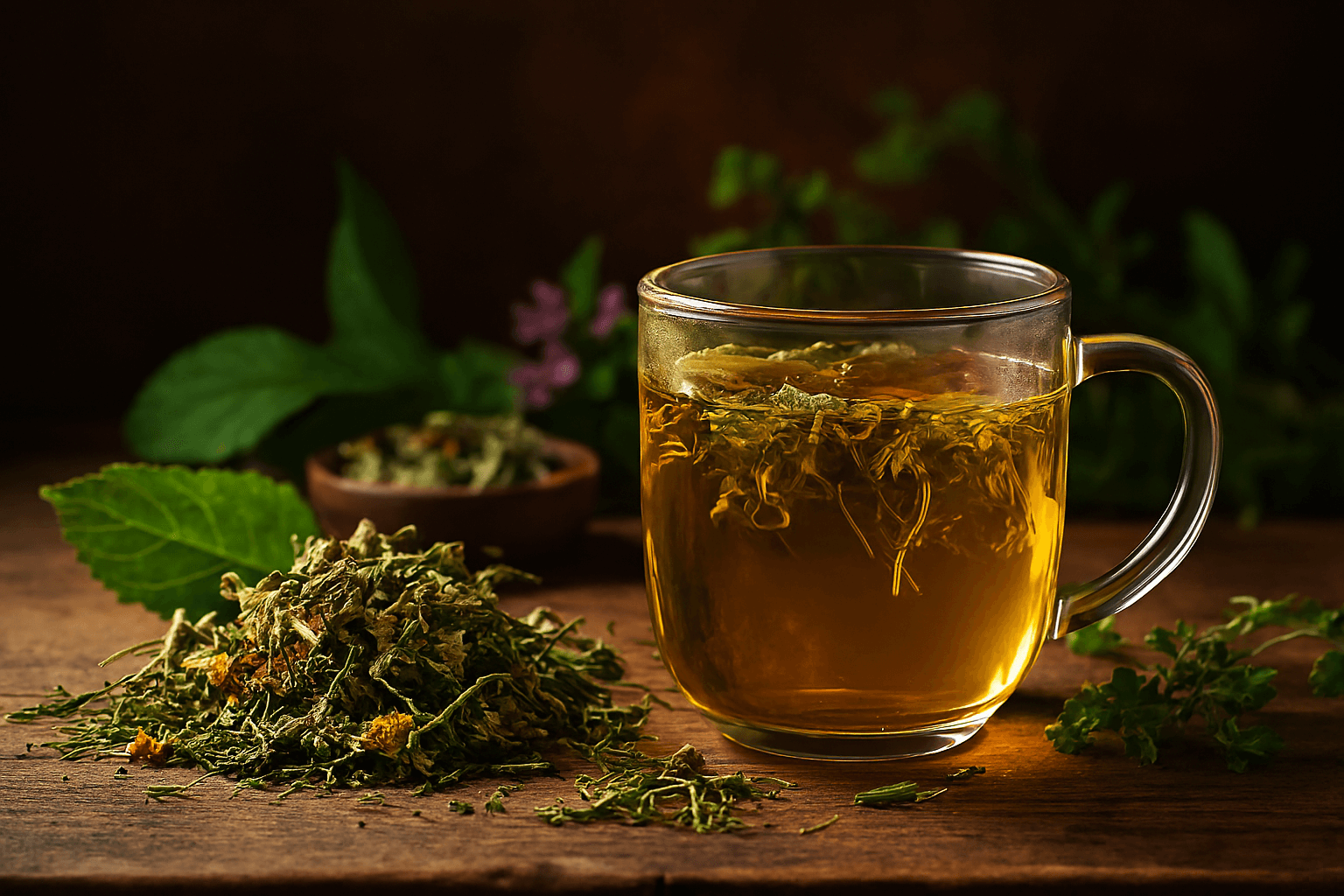
If you’ve ever looked at a shelf of store‑bought tea bags and thought, “I could do this myself”, you’re in the right place. Homemade herbal tea blends give you full control over flavor, quality, and ingredients, no surprise additives, no single‑use bags, just pure, natural goodness. Whether you’re sipping a calming bedtime cup or an invigorating mid‑day infusion, making your own tea is both fun and rewarding.
This guide will walk you through everything you need to know, from choosing herbs and blending your mix to brewing like a pro, storing properly, and avoiding common beginner mistakes. Let’s dive into it!
1. What Is Herbal Tea (and Why Make Your Own?)
What is herbal tea?
Herbal teas, also called “tisanes”, are beverages made by infusing roots, flowers, leaves, seeds or other plant parts in hot water. They do not necessarily come from the true tea plant (Camellia sinensis), so many are naturally caffeine‑free.
Why DIY?
When you craft your own herbal teas, you have complete control over every ingredient that goes into your cup. You can choose herbs that truly resonate with your taste and wellness goals whether that’s the calming scent of chamomile, the crisp lift of peppermint, or the earthy depth of rooibos. There’s no need for artificial flavorings or hidden additives; every sip reflects your personal touch and natural preferences.
Beyond taste, you can tailor each blend to your body’s needs. Create soothing combinations for relaxation and stress relief, gentle mixes that support digestion after meals, or invigorating infusions designed to boost energy and focus. You can even craft blends that help strengthen the immune system during seasonal changes.
Making your own tea isn’t just healthier, it’s also more economical and deeply enjoyable. Over time, buying herbs in bulk and experimenting with small batches saves money while letting you discover new flavors and combinations.
And perhaps best of all, you’ll enjoy unmatched freshness. Because you’re selecting, mixing, and storing your own herbs, each cup is vibrant, aromatic, and alive with natural oils and nutrients that store-bought teas often lose on the shelf.
2. The Essentials: Equipment + Ingredients You’ll Need
Equipment You’ll Need to Make Homemade Herbal Tea Blends
Before you start whipping up your own soothing tea creations, it’s important to gather the right tools. You don’t need anything fancy, just a few simple items that’ll make the blending and brewing process easier, more effective, and a lot more enjoyable.
1. A Kettle or Pot for Boiling Water
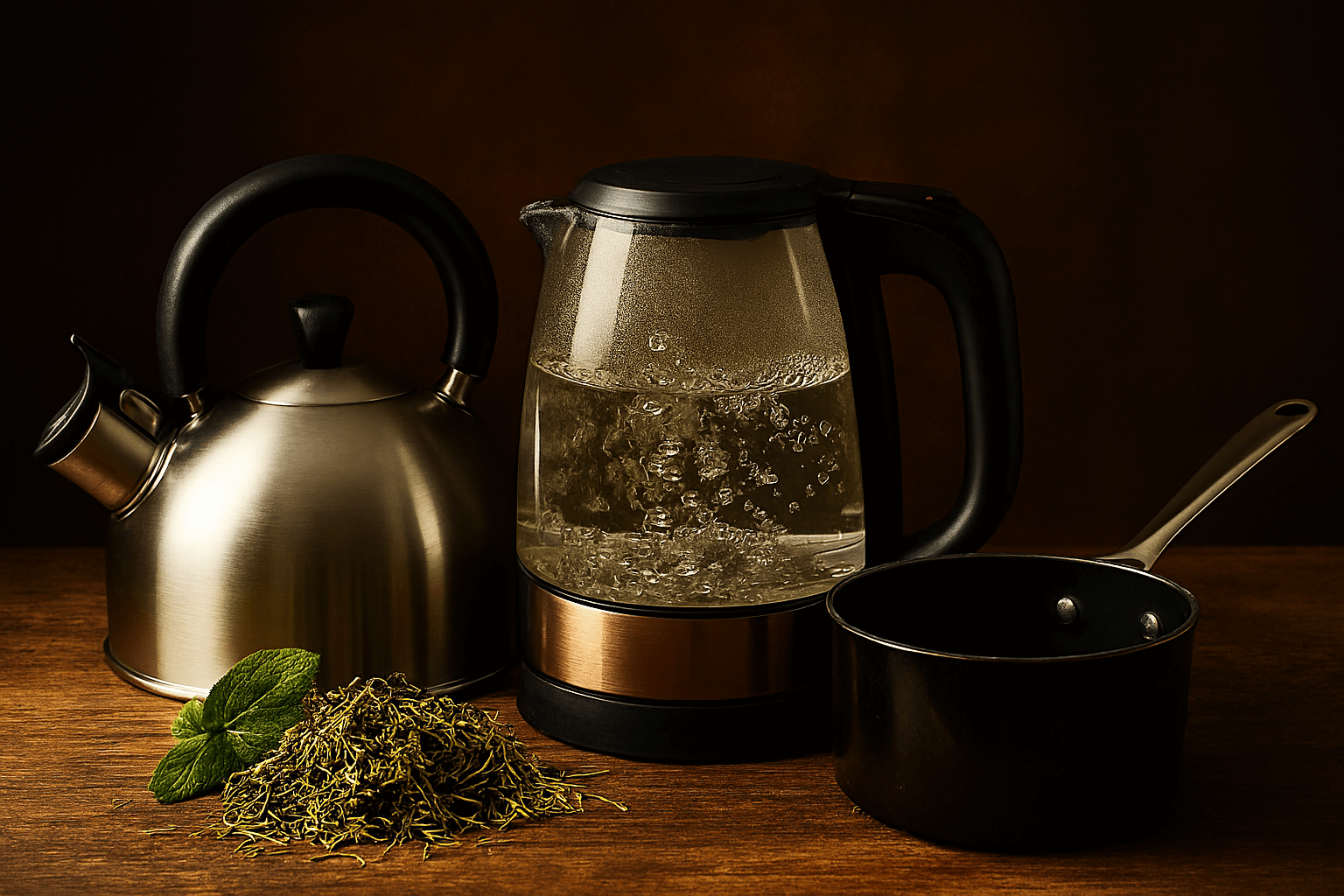
Whether it’s an electric kettle, stovetop kettle, or even a regular saucepan, you’ll need something to bring your water to the right temperature. Herbal teas typically require boiling water (around 200°F or 93°C), especially for tougher herbs like roots and barks. Pro tip: An electric kettle with temperature control is a bonus, but not a must-have.
2. A Teapot or Mug with an Infuser or Fine Mesh Strainer
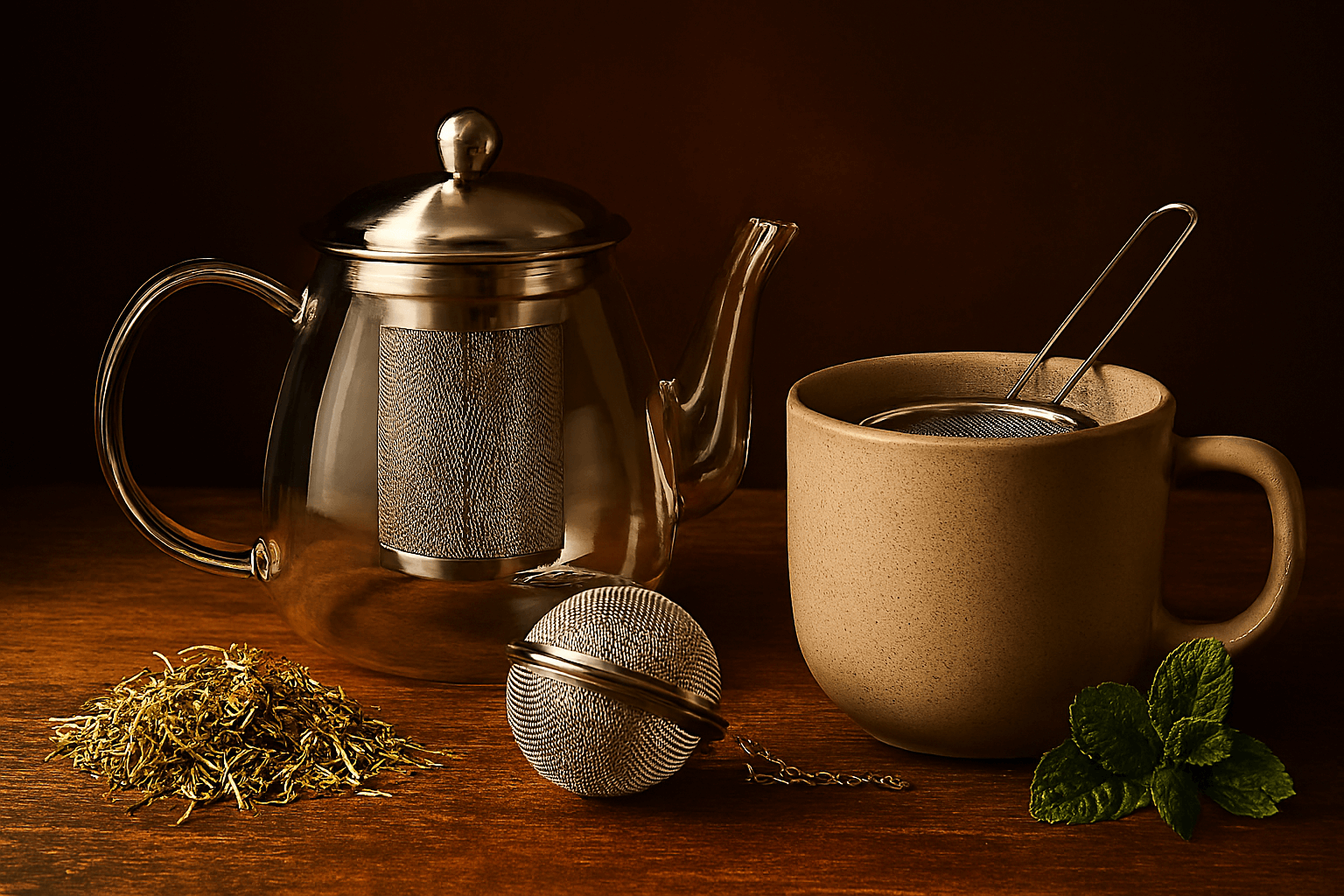
To steep your tea blend properly, you’ll want either:
A teapot with a built-in infuser, or
A large mug paired with a stainless steel tea infuser or fine mesh straine
The goal is to allow your herbs enough space to expand and infuse their flavors while keeping stray leaves and bits out of your final cup. Mesh tea balls, reusable cloth bags, or basket infusers are all great options, too.
3. Glass or Ceramic Jars with Airtight Lids (for Storage)
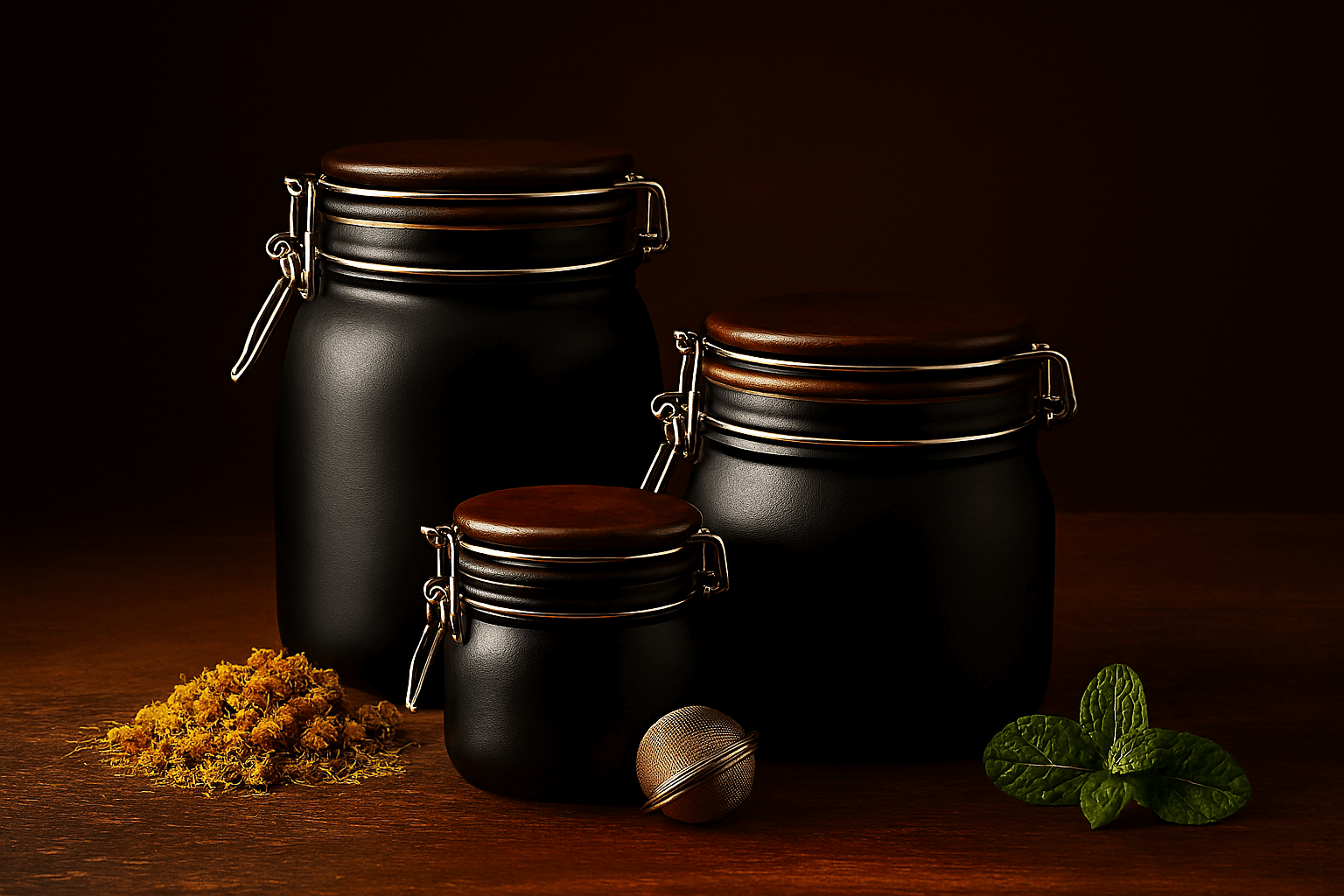
Once you’ve mixed your custom herbal blends, you’ll need a safe and clean place to store them. Glass jars or ceramic containers with airtight lids are best they help keep your herbs fresh, aromatic, and free from moisture or contaminants.
Clear jars look pretty, but storing them in a dark cupboard helps protect the herbs from light exposure and preserves their potency.
4. Labels or Tags for Organization (Optional, But Super Handy!)
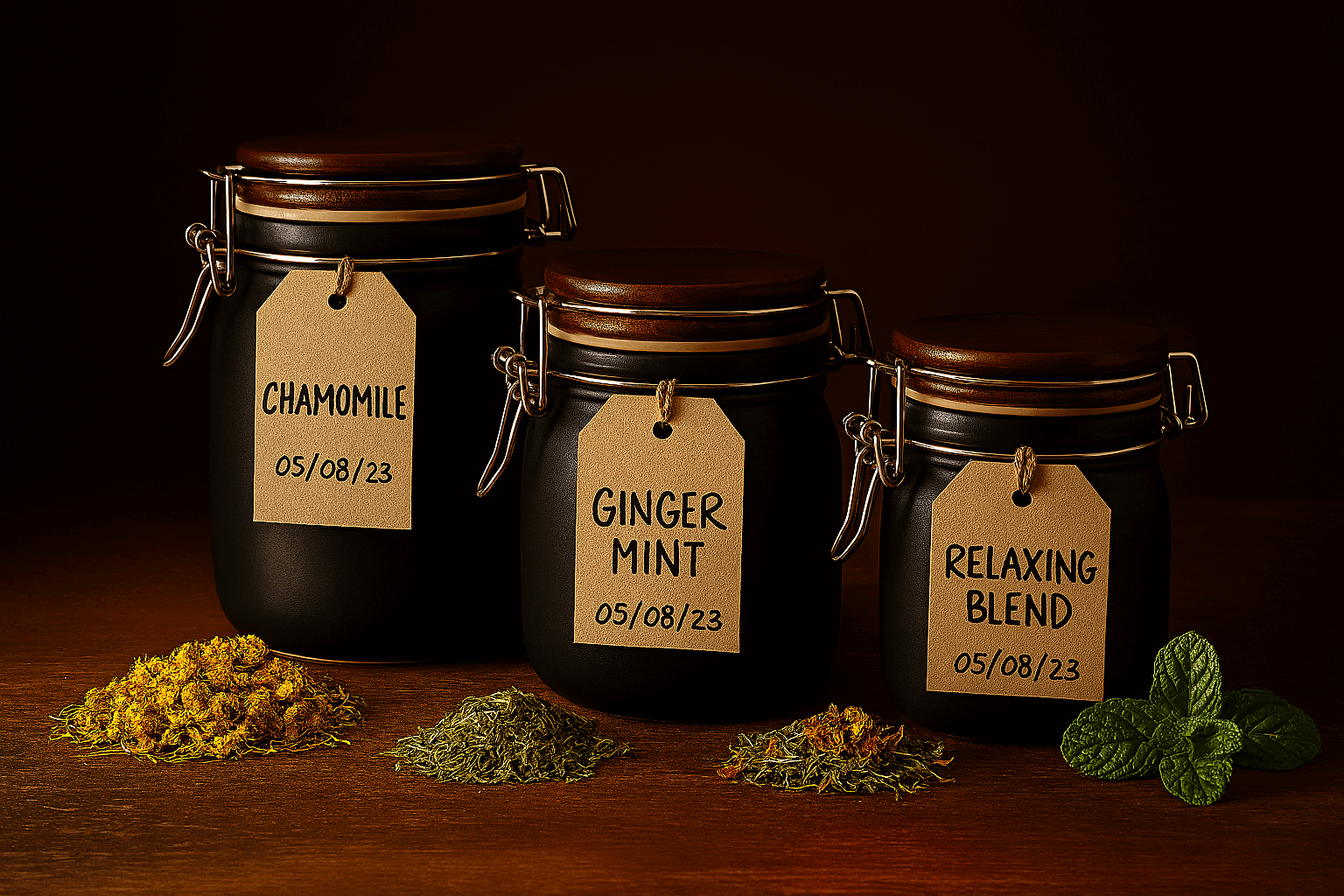
If you plan on making several blends and trust me, it’s easy to get hooked you’ll thank yourself for labeling your jars. Jot down the name of the blend, the date you mixed it, and the key ingredients. This makes it easy to track what you’ve made, what works for you, and how long a blend has been sitting on your shelf. You can get creative with this hand-drawn tags, washi tape labels, or printed stickers all do the trick.
Ingredients: What You’ll Need to Create Your Own Herbal Tea Blends
When it comes to DIY herbal teas, the real magic lies in your ingredients. Think of your herbs as the foundation they not only bring flavor but also provide the wellness benefits you’re after. Whether you’re going for a calming bedtime blend or a zesty immune booster, here’s what you’ll need:
1. High-Quality Dried or Fresh Herbs
Start with premium dried herbs organically grown if possible. You can find these at natural food stores, apothecaries, or online herb shops. Look for herbs that are vibrant in color and have a strong, pleasant aroma that’s a sign of freshness and potency.
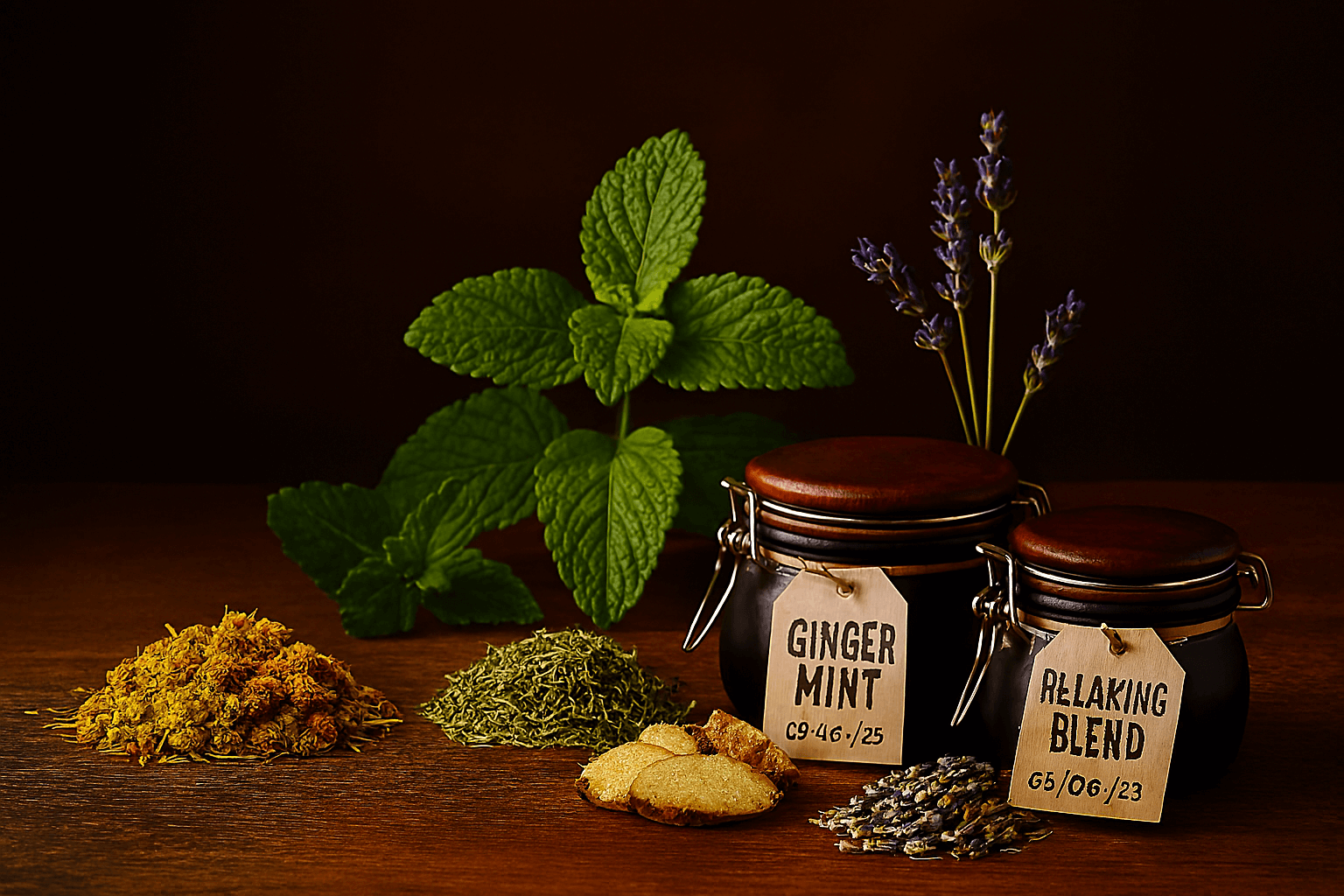
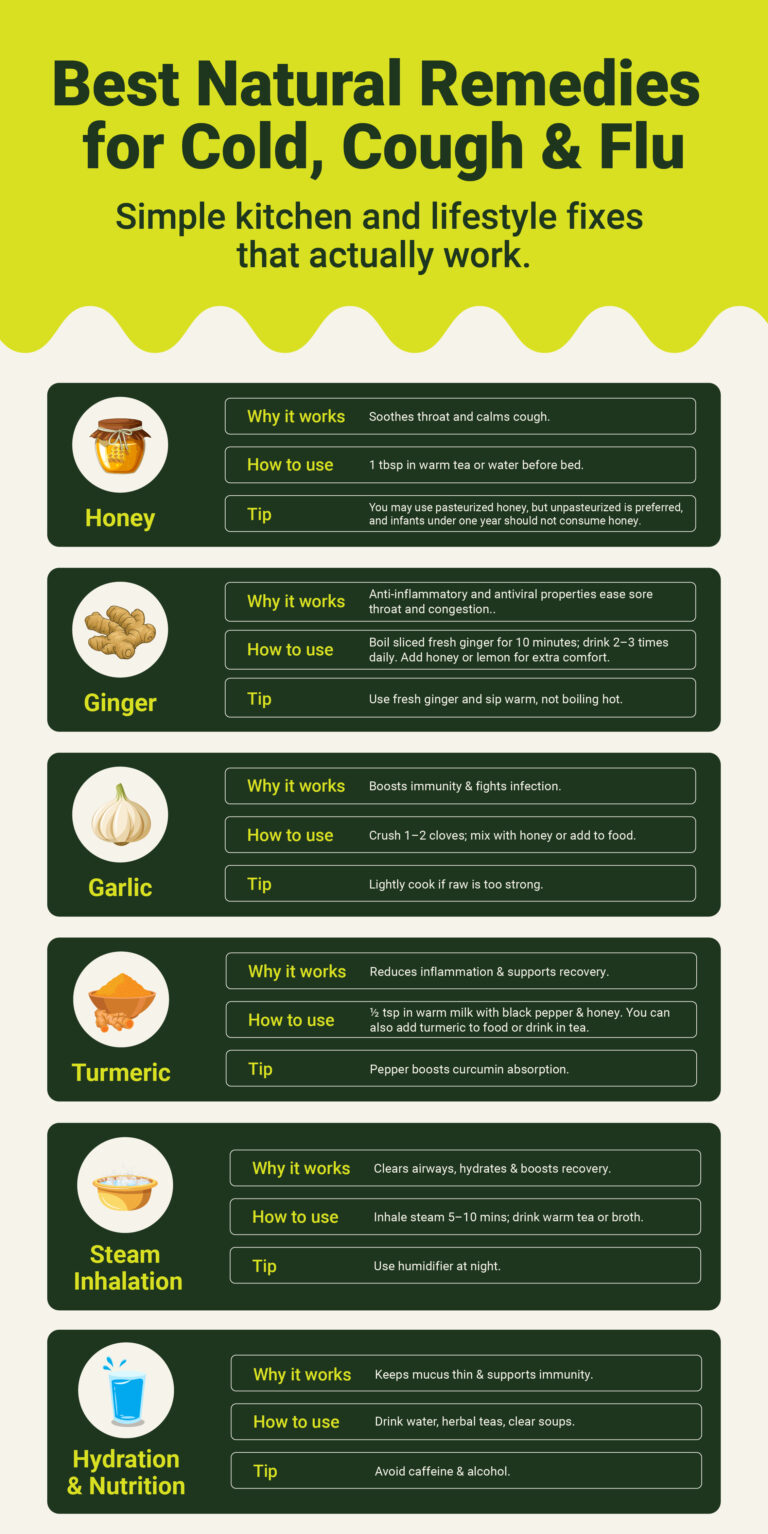
If you have access to a garden, feel free to use fresh herbs you’ve grown or foraged. Just be sure they’re clean, pesticide-free, and properly identified before using them. Common herbs include: Chamomile (for relaxation), Peppermint (for digestion), Lemon balm (for mood), Lavender (for calming), Ginger (for warming, circulation)
Note: If using fresh herbs, you’ll want to dry them before storing or use them immediately in a fresh infusion.
2. Optional Flavor Accents
To enhance your tea blends and make them extra delightful, consider adding some natural flavor boosters:
Citrus peel (like lemon, orange, or grapefruit zest) for brightness
Whole spices such as cinnamon sticks, cardamom pods, star anise, or cloves for a warming, chai-like twist
Edible flower petals like rose, hibiscus, calendula, or lavender for floral notes and visual appeal
These ingredients not only taste amazing but also give your blends a more luxurious, handcrafted feel.
3. Sweeteners & Add-Ins (For Serving)
While it’s best to keep your dry tea blends unsweetened (to avoid spoilage), you can definitely jazz up your cup when it’s time to serve. Try:
A drizzle of honey for sweetness and throat-soothing properties, A slice of lemon or squeeze of fresh lemon juice for a refreshing tang, and a splash of plant-based milk or a dollop of coconut cream for a creamy finish (especially nice in spiced or dessert-style blends) Just remember: add these extras after brewing, not during storage!
Storage Environment: How to Keep Your Blends Fresh & Flavorful
Once you’ve created your tea blends, storing them properly is key to preserving their flavor, aroma, and healing properties. Dried herbs are delicate and sensitive to the environment, so you’ll want to follow these simple rules:
Keep Them in a Cool, Dark, and Dry Place
Exposure to light, heat, or humidity can quickly degrade herbs. Store your blends in a pantry, cupboard, or drawer basically, somewhere away from direct sunlight and fluctuating temperatures. This helps prevent mold, keeps oils from evaporating, and preserves the natural flavor of your mix.
Use Airtight Containers
Glass jars with tight-fitting lids are ideal they don’t absorb smells, and you can see your beautiful blends at a glance. Just make sure they’re fully dry before you fill them, especially if you’ve just washed them.
Keep Them Away from Strong Odors
Herbs can easily absorb scents from nearby spices or foods, which can ruin the flavor of your tea. Avoid storing your blends near onions, garlic, or anything with a strong smell.
Pro Tip: If you live in a humid climate, consider adding a small food-safe desiccant packet to each jar to absorb any excess moisture.
3. Choosing & Preparing Your Herbs
Selecting Herbs for Your DIY Tea Blends: Beginner-Friendly Favorites
If you’re just getting started with herbal tea blending, it’s best to begin with herbs that are easy to use, taste great on their own, and pair well with others. These tried-and-true beginner herbs are forgiving in blends and offer a range of flavors from floral and citrusy to cool and spicy.
Let’s break down a few of the most popular and accessible herbs for newbies:
Chamomile – Mild, Floral, and Soothing
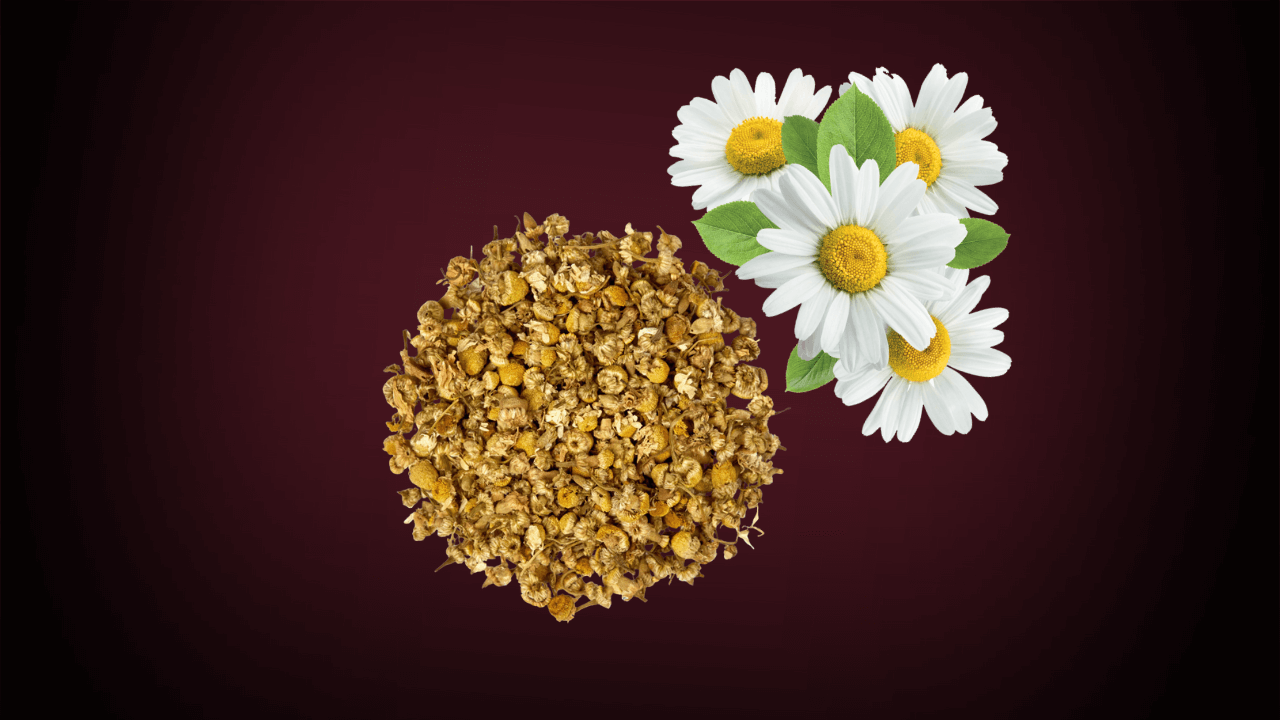
Chamomile is one of the most beloved herbal tea ingredients for a reason. Its delicate, apple-like floral notes are calming and comforting perfect for winding down in the evening or easing stress during the day. Best for: Sleep blends, stress relief, digestion. Pairs well with: Lavender, lemon balm, mint, honey. Chamomile is a great base herb, meaning it works well as the foundation for many blends.
Peppermint or Spearmint – Fresh, Cooling, and Easy to Mix
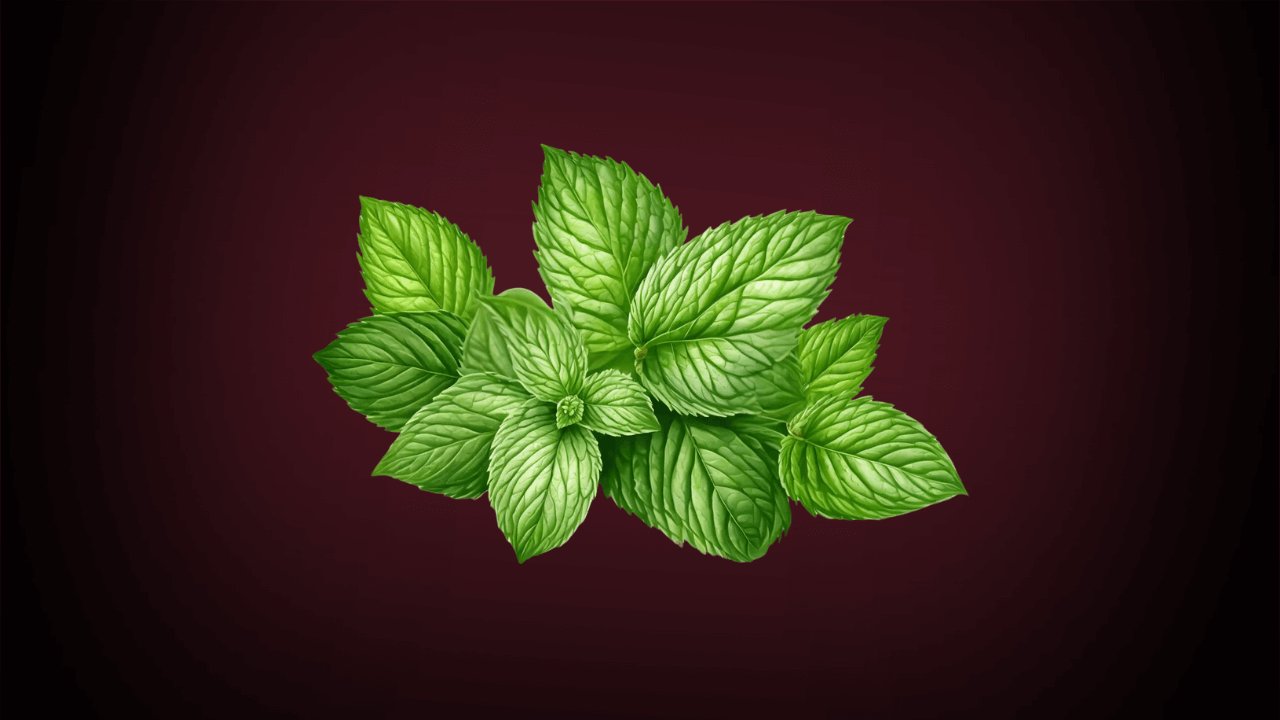
Both peppermint and spearmint add a refreshing, clean taste to your teas. They’re especially helpful for digestion, and they make any tea feel more lively and invigorating. Peppermint is stronger and has a sharper menthol flavor, Spearmint is slightly sweeter and milder perfect if you want a gentler mint experience, Best for: Digestive blends, energizing morning teas, post-meal brews, Pairs well with: Chamomile, lemon balm, ginger, green tea, and Mint is also a great way to “rescue” a blend that feels too bitter or bland.
Lemon Balm – Bright, Citrus-Kissed, and Uplifting
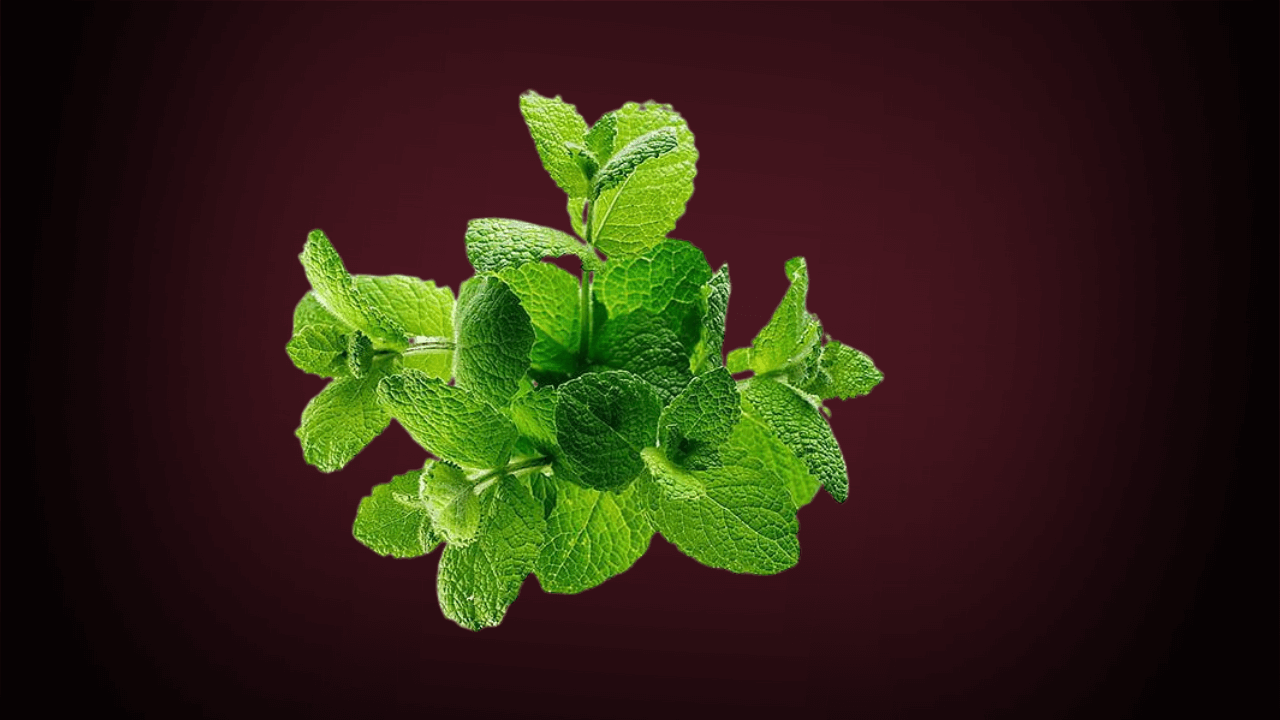
This gentle herb has a soft lemony scent and a calming energy. Lemon balm is part of the mint family, but don’t worry it tastes more citrusy than minty. Best for: Mood-lifting blends, calming teas, mental clarity, Pairs well with: Chamomile, lavender, spearmint, rose petals, and It’s subtle, so it works best with other mellow herbs rather than strong spices.
Lavender – Deeply Aromatic (Use Sparingly!)
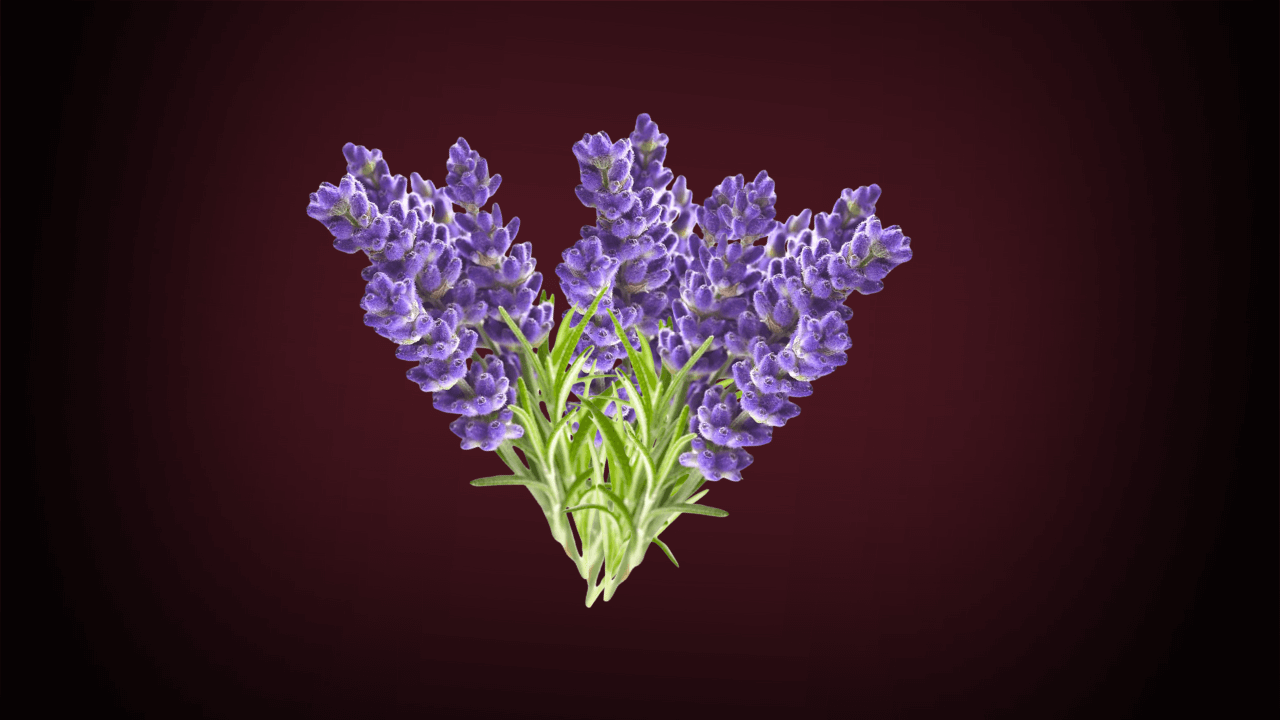
Lavender offers a bold floral aroma and adds a spa-like quality to your tea. A little goes a long way too much can overpower a blend and make it taste soapy or bitter. Best for: Stress-relief blends, sleep teas, floral pairings, Pairs well with: Chamomile, lemon balm, rose, vanilla, Use tip: Start with just a pinch maybe 1/4 teaspoon per cup until you find your comfort zone. Think of lavender as a perfume for your tea: just enough to catch the scent, but not too much.
Ginger Root (Especially Dried) – Spicy, Warming, and Invigorating
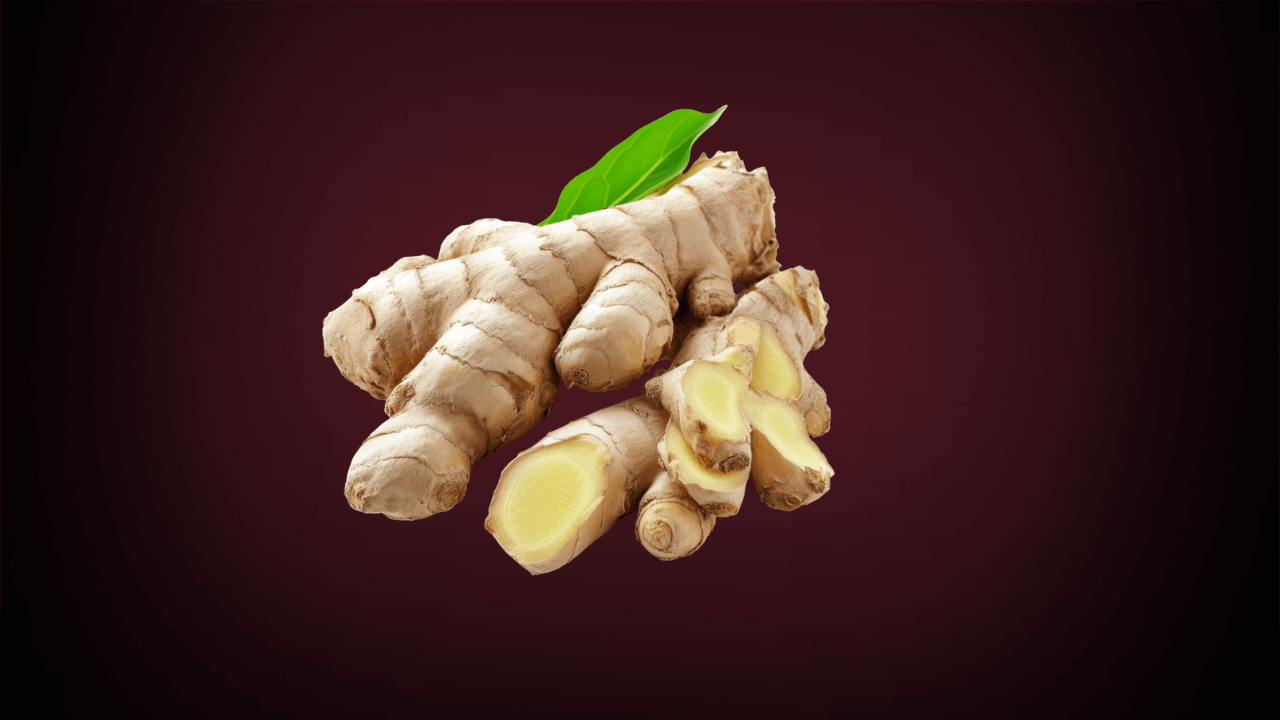
Whether fresh or dried, ginger brings a zesty kick to your tea. It’s fantastic for boosting circulation, warming you up on cold days, and easing nausea or indigestion. Best for: Cold-weather blends, digestion, immunity. Pairs well with: Lemongrass, cinnamon, turmeric, mint, lemon peel, and Dried ginger is more concentrated than fresh start small and build up!
Tip for New Blenders:
Start with just 2–3 herbs per blend until you get the hang of how flavors interact. It’s much easier to adjust and refine your mix when you’re working with fewer ingredients.
Preparing Your Herbs
If fresh: harvest in the morning when aroma is strongest. Wash gently, dry thoroughly.
If dried: make sure herbs are crisp and dry (no visible moisture).Use roughly 1 teaspoon of dried herbs (or ~1 tablespoon if fresh) per 8 oz of water as a good rule of thumb.
4. Blending Your Own Tea: Step‑by‑Step
Making your own herbal tea blend is kind of like crafting a cozy little ritual — relaxing, creative, and totally customizable. And despite how fancy it sounds, you don’t need to be an herbalist to get started. With a few ingredients and a little know-how, you can make beautiful, flavorful blends right from your kitchen.
Let’s walk through a simple step-by-step process that takes the guesswork out of blending and helps you build a cup that tastes just right.
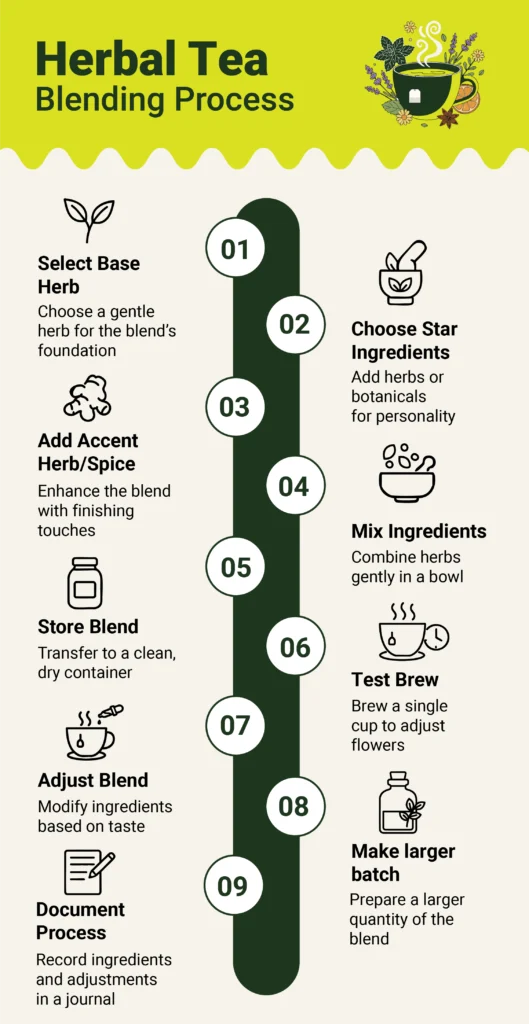
The first step is selecting your base herb. This makes up around 60 to 70 percent of your entire blend and acts as the foundation that everything else builds on. A good base herb is gentle in flavor, soothing, and pairs well with stronger herbs. Great beginner choices include chamomile for its floral, apple-like softness, peppermint or spearmint for a cooling, refreshing kick, and lemon balm for a mellow citrus note. If you’re looking for a naturally sweet option, rooibos or honeybush are also excellent base herbs to consider.
Once you’ve got your base, it’s time to choose one or two star ingredients. These are the herbs or botanicals that bring the personality to your blend. Think of them as the spotlight flavor or the main event. Ginger root is a warming, spicy favorite that adds energy and supports digestion. Hibiscus petals, with their tangy, cranberry-like taste and vivid ruby color, add brightness and vitamin C. Lemon verbena is another great addition for a crisp, citrusy zing. Other options include tulsi (also known as holy basil), which brings an earthy, calming-yet-uplifting note, or a small touch of lavender for its deep floral aroma — just go light on that one so it doesn’t overpower the mix.
Next comes the accent herb or spice — the finishing touch that rounds out your blend and leaves a memorable impression. This might be something like dried citrus peel, which brings a fresh burst of flavor, or warming spices like cinnamon or cardamom for a cozy feel. If you want a slightly fruity tartness, try a small amount of crushed rosehips. And if you’re leaning toward something romantic or soothing, a sprinkle of rose petals does wonders for both the taste and visual appeal.
Once you’ve chosen your ingredients, mix them gently together in a clean, dry bowl. Use your hands or a wooden spoon to evenly combine the herbs, then transfer the blend to a glass jar or airtight container. Make sure the jar is dry and clean to avoid any unwanted moisture. Label the jar with the name of your blend, the ingredients, and the date you made it. You might think you’ll remember later, but trust me — after a few blends, they all start to blur together.
Before making a big batch, it’s smart to brew just a single cup as a test. Scoop out one to two teaspoons of your blend, steep it in hot water for five to ten minutes, and give it a taste. If it’s too strong, you can tone it down by adding more of your base herb. If it’s too weak, increase the amount of your star ingredient. Once it tastes just the way you like it, go ahead and make a larger batch with confidence.
Keeping a little notebook or blending journal nearby can be super helpful for jotting down what you tried, what you liked, and how you might want to tweak things next time. That way, each cup gets better and better — and you’ll build a collection of custom tea blends that are perfectly suited to your taste and needs.
Example beginner blends:Calming Blend: chamomile (base) + lavender (star) + a few rose petals (accent), Digestive Blend: peppermint (base) + ginger root (star) + lemon peel (accent), and Energising Blend: lemon balm (base) + ginger root (star) + cardamom (accent)
5. Brewing & Serving: How to Make Your Tea
Brewing Steps:
- Heat fresh water: for most herbal teas, boiling (212 °F / 100 °C) is okay.
- Place your measured herbs in a teapot/infuser or mug.
- Pour hot water over herbs, cover and steep: typically 5‑10 minutes depending on herbs.
- Strain the herbs and pour your tea into a cup.
- Add optional sweetener (honey, maple syrup) or a slice of lemon if desired.
Serving Suggestions:
Serve hot for comfort or cold over ice for a refreshing twist, Pair with a light snack or a quiet moment the ritual matters and experiment with extra add‑ons: a few fresh mint leaves, a cinnamon stick, or even a splash of fruit juice.
6. Storage & Shelf Life: Keep It Fresh
Once you’ve created your perfect tea blend, the next step is making sure it stays fresh, flavorful, and safe to enjoy. Proper storage is key to preserving both the taste and the beneficial properties of your herbs — and luckily, it’s super simple when you know what to do.
Start by transferring your dried herbal tea blend into a clean, dry glass jar with an airtight lid. Glass is ideal because it doesn’t absorb scents or moisture, and it keeps your herbs protected from outside air. Choose jars that seal tightly — mason jars or clip-top jars work beautifully.
To keep your tea blends in tip-top shape, always store them away from direct sunlight, excess heat, and moisture. A dark, cool cupboard or pantry shelf is perfect. Sunlight and high temperatures can quickly degrade the oils in your herbs, which are responsible for their flavor and health benefits. Moisture, on the other hand, can lead to spoilage, clumping, and even mold.
It’s also a smart idea to label each jar clearly. Write down the name of the blend, the date you created it, and the ingredients you used. This makes it easier to keep track of what you’ve made and how long it’s been sitting on the shelf. If you’re experimenting with lots of recipes, a label can save you from confusion later on — especially when two blends look similar!
If you’re working with fresh herb blends — for example, if you’ve picked herbs from your garden and brewed something on the spot — these should be used right away or stored in the refrigerator. When refrigerated, a fresh blend should be consumed within two to three days to avoid spoilage. Unlike dried blends, fresh herbs are more perishable and prone to going limp or developing bacteria if left too long.
Dried tea blends, when stored properly, can stay flavorful for several months. Over time, the taste may slowly fade as the natural oils in the herbs begin to break down. That doesn’t necessarily mean the blend has gone bad — but you might notice a milder flavor or less aroma. If a blend starts to smell stale, taste flat, or show any signs of moisture, mold, or off-odors, it’s best to toss it out and make a fresh batch.
Remember, your senses are your best tools here. If something doesn’t smell or look right, don’t take the risk — compost it and start fresh. It’s all part of the learning curve, and each batch brings you one step closer to mastering your own tea apothecary!
7. Beginner Tips & Common Mistakes to Avoid
Do’s:
Do start with simple blends. Don’t overwhelm yourself with 10 herbs at once.
Do use fresh, high‑quality herbs. Poor quality = weak flavour.
Do label your jars; it helps track what works and what you like.
Do experiment, but keep notes of ratios and ingredients so you can replicate your favourites.
Don’ts:
Don’t over‑steep for too long: this can cause bitterness (especially with roots and barks).
Don’t use water with off‑flavours (hard tap water can negatively affect taste).
Don’t store your blends in plastic bags near heat or light—they’ll degrade quickly.
Don’t assume “natural” means “safe” for every herb—if you have health conditions or take medications, check herb safety first.
8. Quick DIY Herbal Tea Recipes to Try Today
If you’re not sure where to begin, don’t worry — starting with a few simple blends is the perfect way to explore flavors and get a feel for the process. Here are three beginner-friendly tea recipes designed to be both soothing and satisfying, using easy-to-find herbs. You can follow the suggested measurements as a starting point, but feel free to tweak things based on your own taste or what you have on hand. The beauty of herbal tea is that there are no hard rules — just gentle guidance and lots of room for creativity.
Let’s start with a calming favorite. For a relaxing, end-of-day cup, try blending two tablespoons of dried chamomile with one tablespoon of dried lavender and about half a tablespoon of rose petals. This Relax & Unwind Blend is beautifully floral and comforting, with chamomile setting a mellow base, lavender lending a soothing depth, and the rose petals adding just the right hint of soft sweetness. It’s the perfect mix to help you de-stress, slow down, and ease into a peaceful evening.
Next up is a blend designed to support digestion while still tasting fresh and lively. Combine two tablespoons of peppermint leaves with one tablespoon of dried ginger root slices and around half a tablespoon of dried lemon peel. This Digestive Comfort Blend is great after meals or anytime your tummy needs a little extra TLC. The peppermint cools and soothes, the ginger adds warmth and a gentle kick, and the lemon peel brightens it all up with a hint of citrus zest. You’ll find it both grounding and uplifting at the same time.
If you’re in the mood for something cool and refreshing, especially on a warm day, try this light and vibrant mix: two tablespoons of lemon balm, one tablespoon of mint, and about half a tablespoon of lemon verbena. Brew this Fresh & Bright Iced Tea Blend just like a hot tea — steep it in hot water for about 5 to 10 minutes — then let it chill in the fridge and serve it over ice. It’s crisp, citrusy, and incredibly refreshing. Ideal for sipping on a sunny afternoon or sharing at a summer gathering.
As you explore these blends, don’t be afraid to adjust the proportions or swap out ingredients based on what you like or what’s available in your pantry. Maybe you love extra mint, or prefer less floral — go for it. The goal isn’t to create something perfect right away, but to experiment, learn, and find the combinations that feel just right for you.
Each time you mix a new blend, take note of how the herbs work together — their aroma, taste, and how they make you feel. With a little practice, you’ll be crafting your own signature blends in no time.
Conclusion
Making your own herbal tea blends is a rewarding journey that blends creativity, wellness and ritual. With a few quality herbs, basic tools and the blending and brewing steps above, you’ll be enjoying your own signature teas in no time.
Whether you’re crafting a calming night‑time infusion, a refreshing iced blend for summer, or a digestion‑supporting cup after meals, homemade herbal teas bring freshness, personalization and purpose to your drink routine.
So gather your jars and herbs, pick your favourite combination, and let your tea‑making journey begin. Here’s to your homemade cup of calm, clarity, and flavour!