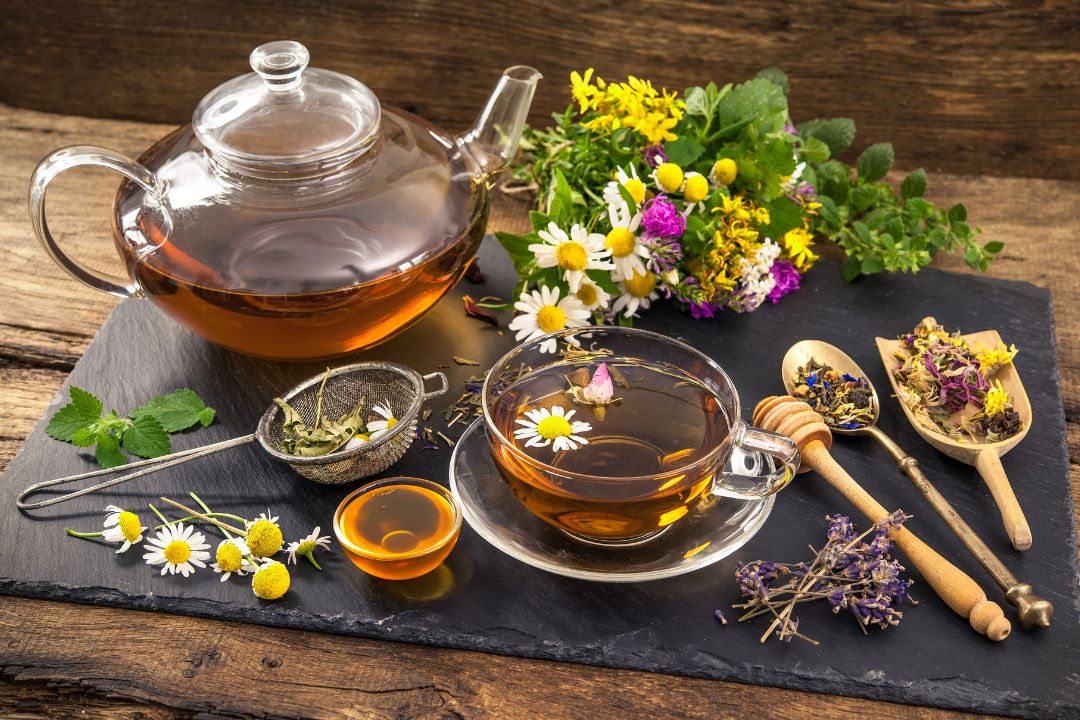
Herbal teas are more than just warm drinks—they’re comforting, healing, and deeply personal. When you make your own blends, you unlock complete control over the flavor, health benefits, and ritual of the tea-making process.
In this guide, we’ll explore everything from choosing the best herbs to how to blend and brew your own flavorful teas. Whether you’re seeking better sleep, more energy, or just a great-tasting natural herb tea, this guide has you covered—beautifully and simply.
Why Make Your Own Herbal Tea?
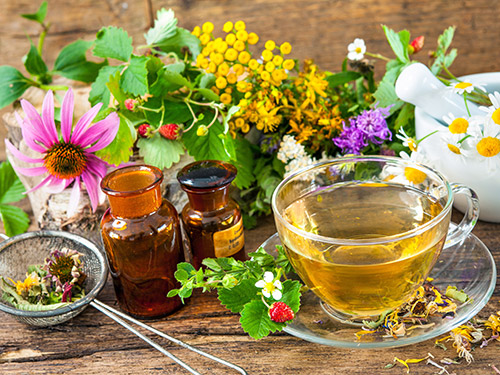
Making your own herbal tea is not just about cost or convenience—it’s a deeper connection to what you’re putting into your body. Pre-packaged teas often contain artificial flavors, sweeteners, and low-grade herbs. By crafting your own blends, you ensure 100% natural ingredients, handpicked for flavor and function.
It also lets you:
- Enjoy the ritual of mixing, steeping, and sipping something you’ve created with care
- Personalize your wellness goals (sleep, energy, digestion, skin health)
- Save money by buying herbs in bulk
- Reduce waste by reusing containers
Best Herbs for Tea and Their Benefits
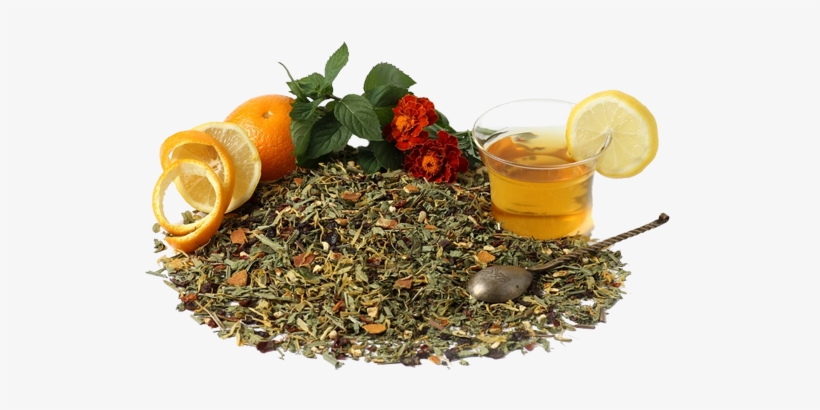
Let’s look at the best and most widely used herbs for tea-making. These are flavorful, functional, and beginner-friendly.
Chamomile
Chamomile is a classic calming herb, known for helping with sleep and easing anxiety. Its light, floral flavor pairs well with lemon balm or lavender for bedtime teas. It’s also gentle on digestion.
Peppermint
Peppermint is refreshing and cooling. It’s ideal for digestive issues, mental clarity, and tension relief. Its strong flavor makes it a great supporting herb in energizing or cleansing blends.
Lemon Balm
With a mild lemony flavor, lemon balm is uplifting, stress-reducing, and promotes mental focus. It’s wonderful in calming blends and works well with chamomile or green tea.
Lavender
Lavender is strong, floral, and relaxing—but a little goes a long way. It helps relieve stress and insomnia. Best used in small amounts, especially when paired with sweeter herbs like chamomile.
Hibiscus
Hibiscus has a bold, tart flavor and adds stunning color to teas. It’s rich in antioxidants and supports heart health. It’s great in iced blends with mint or rose hips.
Rose Petals
Rose petals offer a delicate floral flavor and are great for emotional balance and skin health. They pair beautifully with hibiscus and chamomile for a mood-boosting blend.
Rosemary
Rosemary is earthy and sharp, used to stimulate the mind and improve circulation. It’s energizing and works well in morning tea blends when combined with lemon balm or peppermint.
Licorice Root
Naturally sweet, licorice root balances out bitter herbs and soothes the throat. It supports digestion and adrenal function but should be used sparingly for those with high blood pressure.
How to Blend Herbal Teas (Step-by-Step)
Step 1: Choose the Purpose
What do you want your tea to do—help you sleep? Energize? Detox? Calm your nerves? Choosing the purpose will guide which herbs you select and in what proportions.
Step 2: Select Your Herbs
Every great tea blend includes three categories of herbs:
- Base Herbs (50–70%) – These are smooth, neutral-flavored herbs like chamomile or rooibos that form the foundation of your blend.
- Supporting Herbs (20–40%) – These provide taste and benefits. Think peppermint for digestion or lemon balm for calming.
Accent Herbs (5–10%) – Used for aroma and flavor highlights, like lavender, cinnamon, or citrus peels.
Step 3: Mix Your Blend
Use clean, dry hands or a spoon to gently mix your herbs in a bowl. You can slightly crush bulky herbs (like licorice or rosemary) for better steeping. Always start with a small batch so you can test and adjust.
Step 4: Store Properly
Transfer your blend to an airtight glass jar or tin. Label it with the name, ingredients, and date. Keep your blends in a cool, dark, dry place—away from moisture or direct sunlight.
Brewing Tips for the Best Flavor
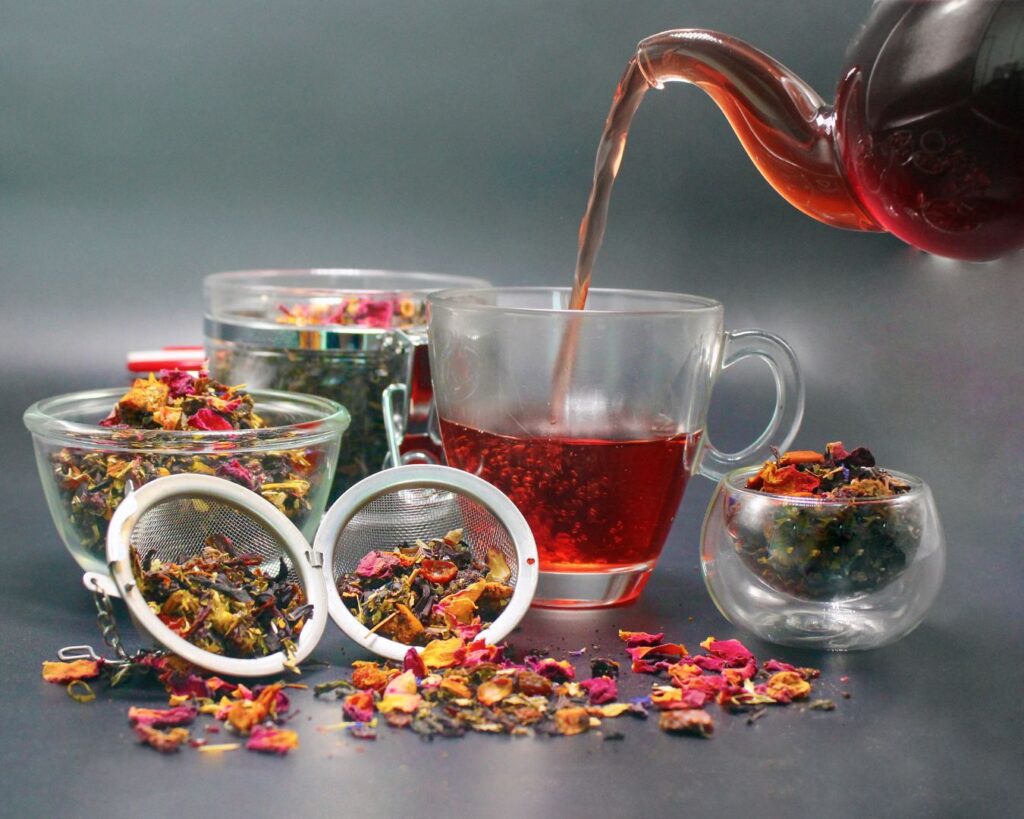
- Use freshly boiled water, but not fully boiling—aim for around 195°F (90°C).
- Add 1 teaspoon of tea blend per cup.
- Steep for 5–10 minutes, covered, to preserve essential oils.
- Strain and sweeten naturally if needed. Try honey, maple syrup, or nothing at all.
You can also refrigerate your tea and serve it iced within 24 hours.
Tea Blend Recipes to Try
Sweet Sleep Tea
Ingredients:
- 2 parts Chamomile
- 1 part Lemon Balm
- ½ part Lavender
Morning Focus Tea
Ingredients:
- 2 parts Peppermint
- 1 part Rosemary
- ½ part Dried Ginger
Instructions: Steep 1 tsp for 5–6 minutes. Refreshing and clarifying.
Glow Tea (Skin & Mood Blend)
Ingredients:
- 2 parts Hibiscus
- 1 part Rose Petals
- 1 part Lemon Verbena
- Instructions: Steep for 6–8 minutes. Serve hot or over ice.
Storing Your Blends
To keep your tea blends fresh:
- Store in airtight containers (glass or metal)
- Keep away from light, moisture, and heat
- Use within 6–12 months
- Always label with name, ingredients, and creation date
Frequently Asked Questions (FAQs)
Can I use fresh herbs?
Yes! But you’ll need 2–3x the amount compared to dried herbs. Fresh herbs have more water content and less concentrated flavor.
Can I combine herbal and caffeinated teas?
Absolutely. Many blends include green, black, or oolong tea mixed with herbs. Just be mindful of steeping time and caffeine content.
Are all herbs safe for everyone?
Not necessarily. Some herbs (like licorice root or St. John’s Wort) can interfere with medications or aren’t safe during pregnancy. Always research herbs or consult a professional if you’re unsure.
Final Thoughts: Sip Smarter, Live Better

Making your own herbal tea isn’t just about flavor—it’s about care, intention, and empowerment. Each cup becomes a personalized remedy, a mindful ritual, and a quiet celebration of nature’s gifts.
Start with a purpose. Explore a few herbs. Blend with care. Sip with gratitude.
Your next favorite tea blend? You’re just a scoop away.