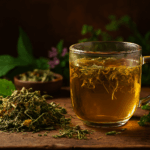
Growing herbs indoors is a rewarding endeavor that allows you to enjoy fresh, flavorful additions to your meals year-round. Whether you’re a seasoned gardener or a complete beginner, this guide provides detailed, expert-backed insights to help you cultivate a thriving indoor herb garden.
Step 1: Selecting the Right Herbs for Indoor Growth
Choosing herbs that are well-suited for indoor environments is crucial for success. Here are some top picks:
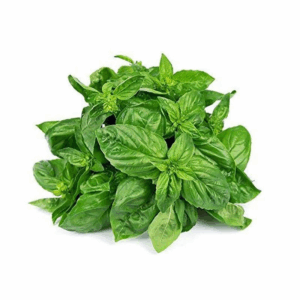
Basil: A warm-weather herb that thrives in direct sunlight. It’s perfect for windowsills that receive ample light. Basil is a fragrant culinary herb in the mint family, prized for its use in cuisines worldwide, especially Italian and Mediterranean dishes. It features a sweet, strong aroma and is known for its versatility in both raw and cooked applications, with popular uses including pesto, pasta sauces, and salads.
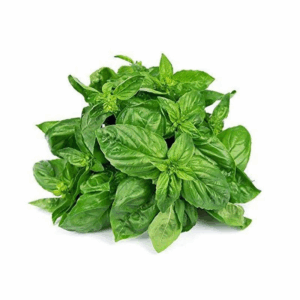
Chives: Mild onion flavor, ideal for garnishing dishes. They require moderate sunlight and regular watering. Chives are a perennial herb from the onion family, known for their long, thin, hollow, grass-like leaves and mild oniony flavor. Both the leaves and the edible purple flowers are used in cooking as a garnish or flavoring, complementing dishes like potatoes, eggs, and fish. Chives grow in dense clumps and are native to parts of Eurasia and North America.
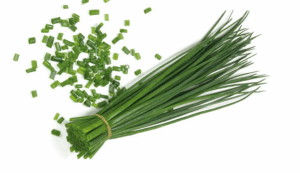
Cilantro: Best grown in cooler indoor temperatures, cilantro needs consistent moisture and indirect light. cilantro is an annual herb in the family Apiaceae. Most people perceive the leaves as having a fresh, slightly citrus taste. Due to variations in the gene OR6A2, some people perceive it to have a soap-like taste, or even a pungent or rotten taste.
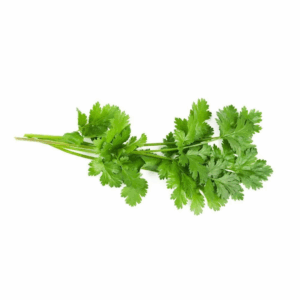
Mint: Grows vigorously and prefers partial shade. It’s excellent for teas and desserts. In addition to freshening breath, mint adds flavor to foods and drinks – everything from ice cream and tarts to lemonade and cocktails to meat dishes (especially lamb). There are many varieties of the mint plant, and most fall under the genus mentha.
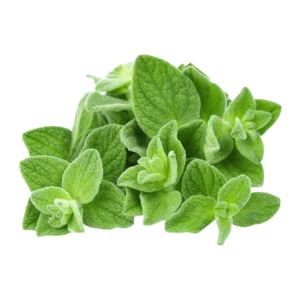
Oregano: A hardy herb that does well in bright light and well-drained soil. Oregano adds flavor to savory dishes. It may also have health benefits due to its anti-inflammatory, antioxidant, and antimicrobial properties.
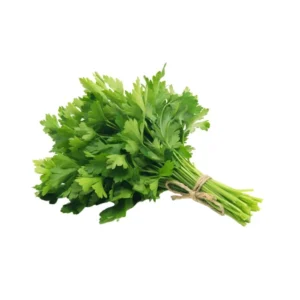
Parsley: Rich in vitamins, parsley thrives in moderate light and moist soil. Parsley is a biennial herb native to the Mediterranean, widely cultivated for its leaves and sometimes its root. It is rich in vitamins A, C, and K, and is used in cooking to add flavor to dishes or as a garnish. There are three main types: curly, flat-leaf (Italian), and root parsley, each with slightly different flavor profiles and uses
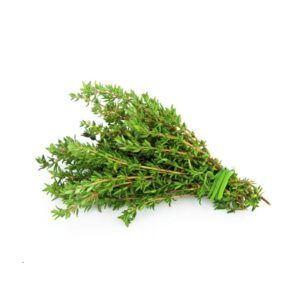
Thyme: Prefers full sun and well-drained soil. It’s a versatile herb for various cuisines. Thyme is an aromatic herb from the mint family with culinary, medicinal, and ornamental uses. It is native to Eurasia and the Mediterranean, features small, grey-green leaves, and has a pungent, earthy flavor that can be complemented by a lemony tang depending on the variety.
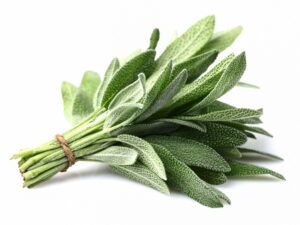
Sage: Needs bright light and well-drained soil. It’s great for savory dishes. sage is a perennial herb in the mint family, widely used for culinary and medicinal purposes.
Avoid herbs like rosemary and lavender indoors unless you have a very sunny spot, as they require more light and space.
Step 2: Choosing the Right Containers
Selecting appropriate containers ensures healthy root development:
- Clay Pots: Porous material that allows roots to breathe.
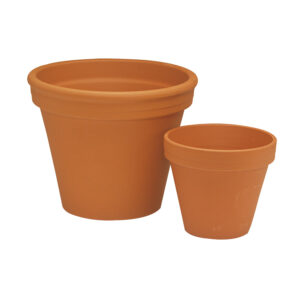
- Plastic Pots: Lightweight and retain moisture longer.
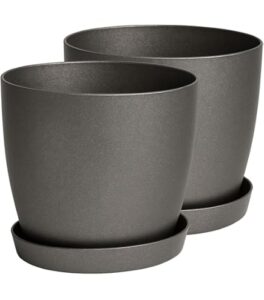
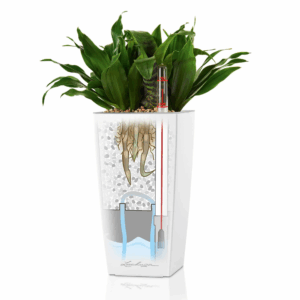
Ensure each pot has drainage holes and is appropriately sized for the herb’s growth.
Step 3: Providing Adequate Light
Herbs need plenty of light to thrive:
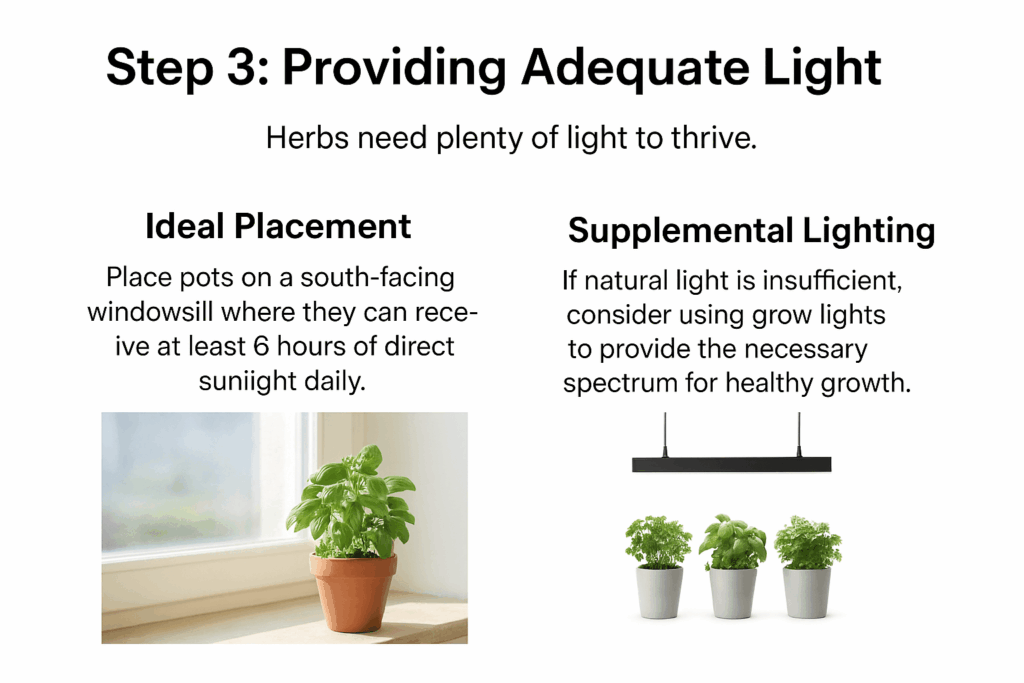
Ideal Placement: Place pots on a south-facing windowsill where they can receive at least 6 hours of direct sunlight daily.
Supplemental Lighting: If natural light is insufficient, consider using grow lights to provide the necessary spectrum for healthy growth.
Step 4: Using the Right Soil
Opt for a well-draining, organic potting mix to promote strong and healthy root development. A high-quality mix allows air and moisture to circulate freely around the roots, preventing issues like waterlogging and root rot. Look for potting blends that contain ingredients such as peat moss, perlite, compost, or coconut coir, which improve aeration and nutrient retention.
Avoid using regular garden soil, as it tends to compact inside containers, restricting airflow and water movement. Compacted soil can suffocate plant roots, leading to poor growth and reduced yields. By choosing a light, fluffy potting mix designed for container gardening, you’ll create the ideal environment for your plants to thrive.
Step 5: Watering Properly
Overwatering is one of the most common mistakes when growing herbs. While herbs enjoy consistent moisture, their roots also need oxygen to stay healthy. Water your plants only when the top inch of soil feels dry to the touch—this ensures the roots get the right balance of moisture and air. Always make sure your pots have drainage holes so that excess water can escape easily; standing water can quickly lead to root rot and other fungal issues.
During the winter months, herbs typically grow more slowly and require less water. Because indoor air tends to be drier, you might be tempted to water more often, but it’s best to reduce your watering frequency instead. Allowing the soil to partially dry between waterings will help your herbs stay strong and resilient through the colder season.
Step 6: Maintaining Ideal Temperature and Humidity
Most herbs thrive in temperatures between 60°F and 70°F (15°C to 21°C). Maintaining the right temperature helps encourage steady growth and prevents stress that can stunt development or cause leaf drop. In dry indoor environments, it’s equally important to maintain adequate humidity, as many herbs prefer a slightly moist atmosphere around their foliage.
To boost humidity, consider these strategies:
Using a Humidifier: A small room humidifier adds moisture to the air, helping your herbs stay healthy, especially during winter months when indoor heating can dry out the environment.
Placing Plants on a Tray of Water and Pebbles: Fill a shallow tray with water and small pebbles, then place your pots on top. As the water evaporates, it creates a localized humid microclimate around your herbs.
Grouping Plants Together: Positioning several plants close to each other encourages a shared microenvironment, which naturally increases humidity and can benefit all the plants in the cluster.
By maintaining both proper temperature and humidity, your herbs will remain vibrant, aromatic, and resilient.
Step 7: Harvesting Your Herbs
Regular harvesting is essential for healthy herb growth. Snipping leaves not only provides you with fresh herbs for cooking but also encourages new growth and prevents plants from becoming leggy or overgrown. Always use sharp scissors or pruning shears to make clean cuts, which reduces stress and the risk of disease.
When harvesting, avoid removing more than one-third of the plant at a time, giving it enough foliage to continue photosynthesizing and thriving. For herbs such as basil, it’s also important to pinch off flower buds as they appear. Flowering diverts the plant’s energy away from leaf production, so removing buds helps prolong the harvest of flavorful leaves.
Using Herb Kits and Planters: A Beginner’s Shortcut to Indoor Gardening
For many aspiring gardeners, the idea of starting an indoor herb garden can feel intimidating. Choosing the right seeds, soil, and containers, while also figuring out watering schedules and light requirements, can be overwhelming. Herb kits and planters offer a simple and reliable way to ease into indoor gardening, providing everything you need to get started in one convenient package.
These kits typically include seeds, soil, containers, and detailed instructions, removing much of the guesswork for beginners. They are designed to give you a head start on your herb-growing journey, increasing your chances of success while also making the experience enjoyable and educational.
Some standout options to consider include:
Desai Garden Herb Garden Kit: Perfect for those who want a ready-to-use setup. This kit includes nine reusable pots, expanding soil discs, plant markers, and a durable tray. It allows gardeners to experiment with multiple herbs simultaneously and keeps everything organized in one compact space.
Home Grown Garden Starter Kit: Ideal for culinary enthusiasts, this kit features heirloom seeds for basil, mint, cilantro, parsley, and chives. With soil, plant markers, and easy-to-follow instructions included, it provides everything you need to grow flavorful herbs right on your windowsill.
Beyond convenience, herb kits offer a unique learning opportunity. They help beginners understand the fundamentals of indoor gardening—like seed germination, soil hydration, and proper light exposure—without the pressure of assembling supplies individually. Additionally, reusable planters and trays mean you can expand your garden over time, experiment with new herbs, and enjoy a sustainable growing setup.
Whether you’re looking to enhance your cooking with fresh herbs, improve indoor air quality, or simply enjoy the therapeutic satisfaction of growing plants, herb kits and planters are an excellent place to start. They make indoor gardening accessible, organized, and highly rewarding, turning even novice gardeners into confident plant growers in just a few simple steps.
Indoor Gardening in Winter: Keeping Your Herbs Thriving When Days Are Short
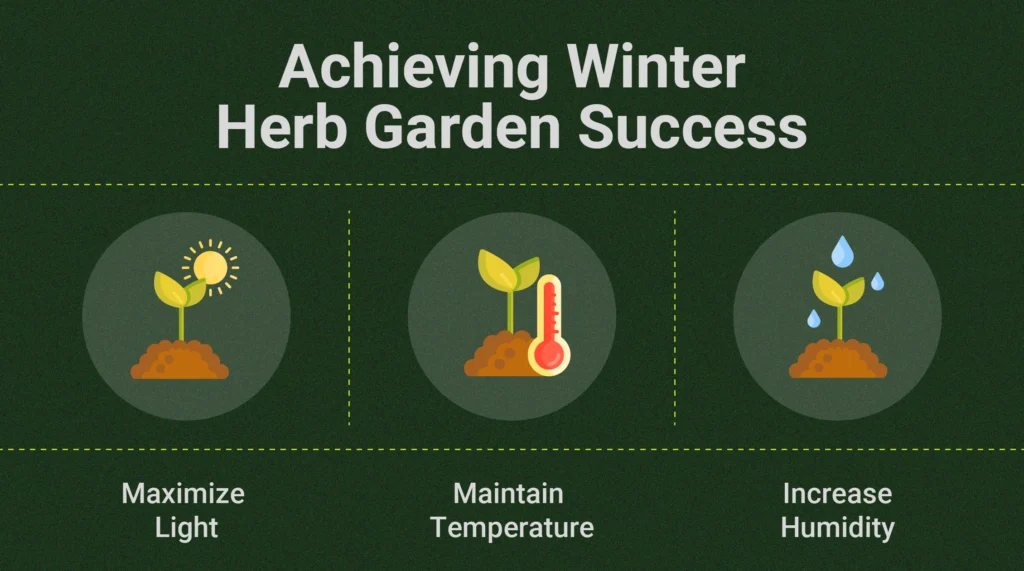
Winter can be a challenging time for indoor gardeners. Shorter daylight hours, lower natural light intensity, and dry indoor air from heating systems can all stress your herbs, slowing growth or causing leaves to yellow. However, with a few strategic adjustments, you can keep your indoor herb garden healthy and productive all winter long.
Maximize Light Exposure:
Herbs need adequate light to thrive, and winter often means less sunlight. Place your plants in the brightest spot available, such as a south- or west-facing windowsill. If natural light is limited, consider supplemental lighting with LED or full-spectrum grow lights. Position lights about 6–12 inches above your herbs, and aim for 12–16 hours of light per day to mimic the sun’s intensity during longer summer days.
Maintain Consistent Temperature:
Fluctuating temperatures can stress plants and stunt growth. Keep indoor temperatures between 60°F and 70°F (15°C–21°C), avoiding cold drafts from windows or hot air from vents. Stable temperatures help herbs continue photosynthesizing efficiently and reduce the risk of leaf drop or slowed growth.
Increase Humidity:
Indoor air tends to be dry in winter, which can dehydrate herb foliage. Boost local humidity by using a humidifier, placing plants on a tray filled with water and pebbles, or grouping several plants together. These simple techniques create a mini microclimate with higher moisture content, keeping leaves plump, vibrant, and healthy.
By carefully managing light, temperature, and humidity, winter becomes less of a barrier and more of an opportunity to experiment with indoor gardening. Even during the colder months, your herbs can continue to grow robustly, providing fresh flavors for your kitchen and a touch of greenery to brighten your indoor space.
Herb Profiles and Blending Techniques
Understanding the characteristics of each herb can enhance your culinary creations:
- Basil: Sweet and slightly peppery, ideal for pesto, salads, and Italian dishes.
- Parsley: Bright and fresh, commonly used in garnishes, tabbouleh, and sauces.
- Chives: Mild onion flavor, perfect for soups, baked potatoes, and dips.
- Mint: Cool and refreshing, great in teas, desserts, and Middle Eastern cuisine.
- Thyme: Earthy and savory, pairs well with roasted meats, vegetables, and stews.
- Oregano: Robust and slightly bitter, essential in Mediterranean and Mexican dishes.
- Sage: Pungent and slightly peppery, complements poultry, sausages, and stuffing.
Experiment with blending these herbs to create unique flavor profiles for your dishes. For instance, combining basil and mint can add a refreshing twist to salads and sauces.
Simple Herb-Infused Recipe: Basil-Mint Pesto
Bring the fresh flavors of your indoor herb garden straight to the table with this vibrant and aromatic basil-mint pesto. The combination of sweet basil and refreshing mint creates a unique twist on a classic favorite—perfect for pasta, roasted vegetables, or as a flavorful spread on warm bread.
Ingredients:
- 1 cup fresh basil leaves
- 1/2 cup fresh mint leaves
- 1/4 cup pine nuts (lightly toasted for extra flavor)
- 2 cloves garlic
- 1/2 cup grated Parmesan chees
- 1/2 cup olive oil
- Salt and pepper to taste
Instructions:
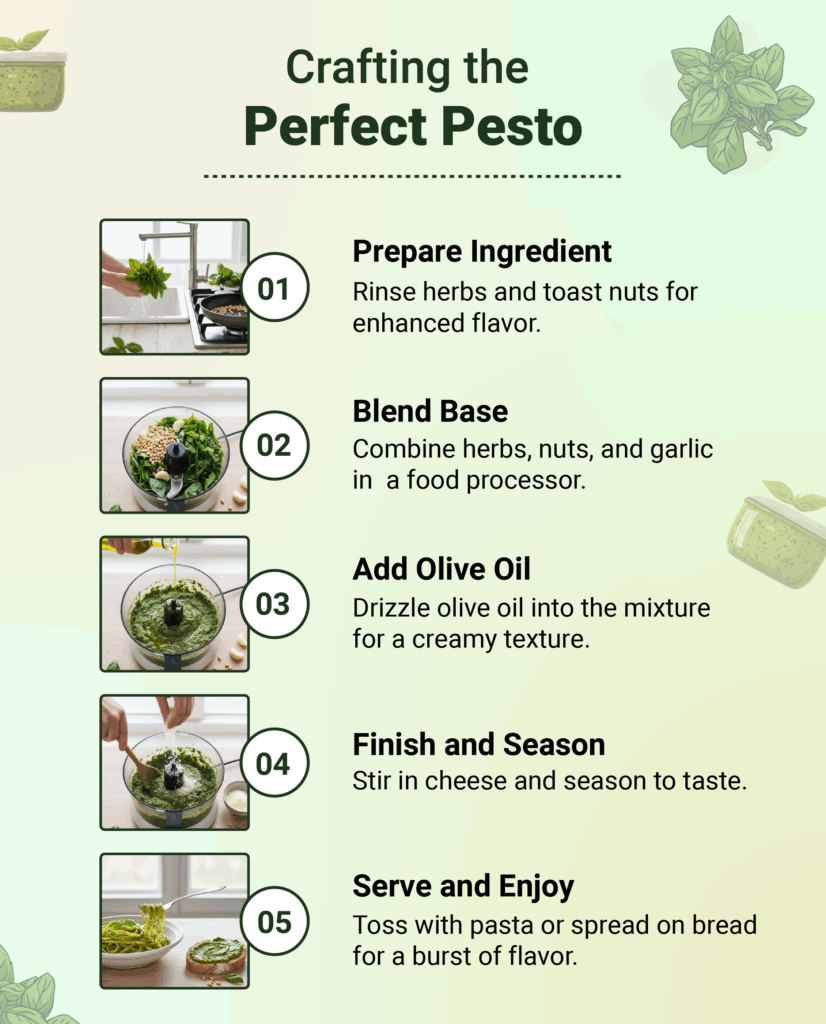
- Prepare the herbs and nuts: Rinse basil and mint leaves thoroughly and pat dry. Lightly toast the pine nuts in a dry skillet over medium heat until golden and fragrant—this enhances their nutty flavor.
- Blend the base: In a food processor, combine the basil, mint, toasted pine nuts, and garlic. Pulse until the mixture is finely chopped and fragrant.
- Add olive oil: With the processor running, slowly drizzle in the olive oil until the mixture reaches a smooth, creamy consistency.
- Finish and season: Stir in the grated Parmesan cheese, and season generously with salt and freshly ground black pepper. Taste and adjust seasonings as desired.
- Serve and enjoy: Toss with your favorite pasta, drizzle over grilled vegetables, or spread on fresh bread for a burst of herbal flavor. You can also store the pesto in an airtight container in the refrigerator for up to a week, or freeze in small portions for later use.
Pro Tip: For extra depth of flavor, try adding a squeeze of lemon juice or a sprinkle of red pepper flakes. Freshly grown herbs from your indoor garden make this recipe particularly vibrant, bridging the gap between gardening and cooking in a deliciously simple way.